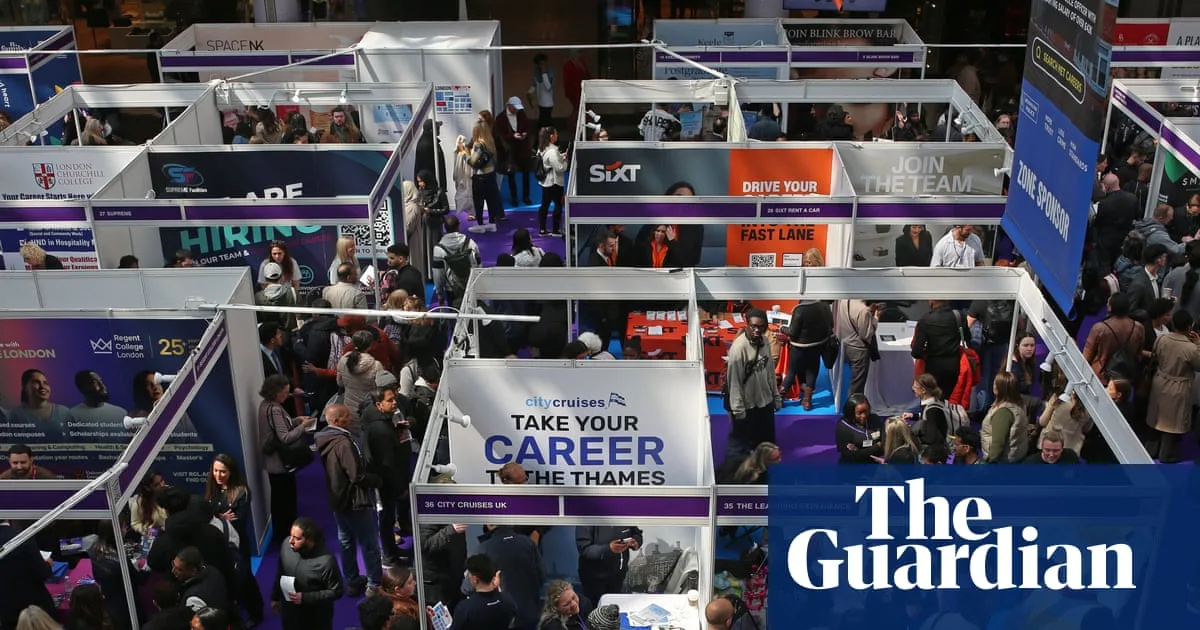
A new survey by King's College London (KCL) reveals that one in three university students in Great Britain believe artificial intelligence will eliminate jobs so rapidly that it will trigger civil unrest. The poll, part of a major tracker of attitudes towards AI, found that 34% of university students hold this view, compared to 22% of the general public.
Students are among the heaviest users of AI, with 77% using it at least a few times a month, versus 46% of workers. However, they are also among the most pessimistic about its economic impact, with over half convinced job losses will be worse than in a normal recession. Despite these fears, male students are more positive: 52% think AI is a positive thing for humanity, compared to 24% of the general public.
The survey also highlights issues with AI use among students. Nine out of ten reported encountering problems, most commonly factual errors (37%) and made-up sources (31%), yet fewer than half said they usually or always check AI output before using it. Additionally, while 60% believe universities can prepare them for an AI-shaped job market, only 36% feel they are actually being prepared.
Bobby Duffy, director of the KCL Policy Institute, noted that the public and students view AI with more fear than excitement, particularly regarding its impact on entry-level jobs. However, Bouke Klein Teeselink, a lecturer at KCL, offered a more optimistic perspective, suggesting that with proper training and policies, AI could lead to rising productivity and broader opportunity.