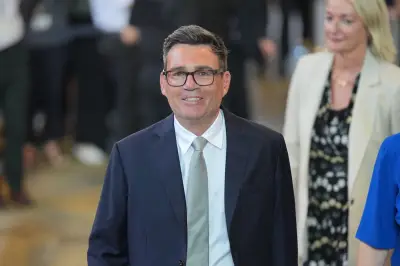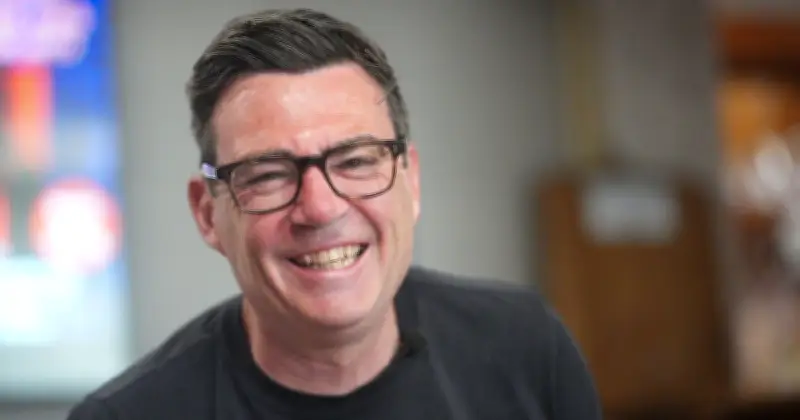
Andy Burnham, the 56-year-old Labour politician, is on the verge of becoming Prime Minister within three weeks, yet many Labour colleagues claim they do not know what he truly stands for. Nominations for Labour’s leadership contest close on July 16, and if no other candidate steps forward, Burnham will enter Number 10 on July 20. However, there is no formal manifesto outlining his policies or guiding principles for his premiership.
Background and Career
Burnham, a working-class Scouser raised as a Catholic, met his wife Marie-France van Heel at Cambridge University. They have two daughters and a son. His entire career has been in politics, starting as a researcher for Labour MP Tessa Jowell, then a parliamentary officer for an NHS body, and a special adviser to a Cabinet Minister. He became an MP in 2001 and served as a minister under Tony Blair and Gordon Brown. When Jeremy Corbyn became Labour leader in 2015, Burnham remained as shadow home secretary.
Political Chameleon or Unifier?
Some Labour MPs joke that Burnham is a chameleon, changing with the political wind. A common quip: “A Blairite, Brownite and Corbynite walk into a bar. The barman says, ‘What will it be, Andy?’” Supporters argue his ability to work across factions is a strength. He left Parliament in 2017 to become Mayor of Greater Manchester, building a strong relationship with Conservative minister Jim O’Neill, now an independent Lord advising him. His core supporters are on the soft left, including deputy leader Lucy Powell and former transport secretary Louise Haigh, but he is expected to appoint Blairite former MP James Purnell as chief of staff.

Policy Hints and Concerns
Burnham has stood for Labour leadership twice before, in 2010 and 2015, losing both times. His 2015 manifesto, “A radical Labour vision for the 21st century,” included abolishing student tuition fees, building more council homes, equalising the minimum wage for younger workers, nationalising railways, and sorting out social care. Most of these are already commitments under Keir Starmer’s government. This time, he has offered only hints. He wants a ten-year plan for public investment and procurement, buying British instead of awarding contracts to countries like China. He also suggested increasing funding for the armed forces, funded by reducing the welfare bill by helping claimants into work, not cutting payments. He has spoken about cutting taxes for the lower-paid.
Shifting Positions
Burnham has changed his mind on key issues. He initially complained Britain was in “hock” to bond markets, hinting at ditching fiscal rules, but later said he would follow them. He once hoped the UK would rejoin the EU, but now says it would be a mistake to “re-run those arguments” about Brexit. He has been consistent on protecting the pension triple lock, calling scrapping it a “very damaging thing to do.” He also wants to devolve more power to English regions, a focus of an upcoming speech.
Overarching Mission
Burnham’s overarching mission is to fix politics so it “works” for ordinary families. He told an interviewer: “I am serious when I talk about changing politics. It isn’t working. The country is not solving the big things it is facing.” With three weeks until he likely becomes Prime Minister, the specifics of that mission remain unclear.