Polycystic Ovarian Syndrome is being renamed to help spread better understanding of what the condition actually entails. Over the next three years, the global healthcare community will be transitioning to the name Polyendocrine Metabolic Ovarian Syndrome, or PMOS.
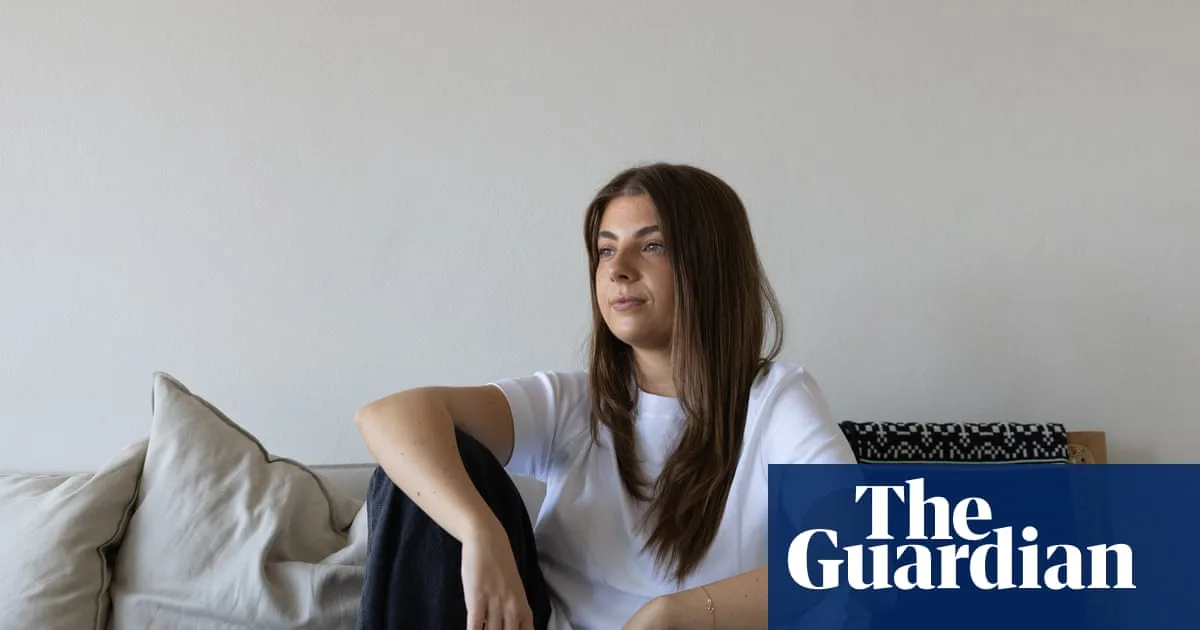
For people who have never encountered the condition, it may be hard to see why this new name means so much. But for me personally, it is like finally being seen. The new name brings the possibility that women will recognise their symptoms before it becomes drastic, that healthcare workers will realise the true impact it has on patients and that people with this chronic condition feel understood.
From my experience, and the testimony of those close to me who also have the condition, PMOS is rarely treated seriously in healthcare settings. The way I was diagnosed on the NHS highlights just how insignificant doctors often think it is.
In 2023, I left a work meeting to find a voicemail from an unsaved number on my phone that simply said: ‘Sorry to say you have polycystic ovarian syndrome. You will be referred for treatment in due course.’
It had been so long since my last test I completely forgot I was expecting this call. Thankfully, it wasn’t news to me. I had been diagnosed in South Africa seven years prior but I had to be diagnosed on the NHS if I wanted to get my medication.
Even though it wasn’t a surprise, the thought that anyone getting a lifechanging diagnosis like this over a voicemail message was harrowing. It’s worth noting that PMOS affects 3.1 million people in the UK, around one in eight women and girls, as reported by Verity.
The name PCOS invokes startling images of big scary cysts all over one of the most intimate areas. This is categorically wrong though and part of the reason for the name change, the NHS website notes: “Despite the name, you do not actually have cysts if you have PCOS.”
It’s actually fluid-filled follicles around the eggs, not cysts, that disrupt the hormone cycle. Despite the fact that it affects all hormones including insulin, which the new name highlights, patients are usually told about fertility problems first.
Even on the NHS website fertility problems are listed in bold while the risk of diabetes, depression, heart disease, stroke and sleep apnoea come after.
Neglecting the other symptoms of PMOS doesn’t just minimise the impact it has on people’s daily lives but it can also delay diagnosis for years as people simply don’t realise they’re experiencing symptoms.
I didn’t realise I had symptoms up until the very moment I was diagnosed. Mostly because my complaints had been written off as ‘teenage issues’ for years.
Severe fatigue and weight gain were dismissed as ‘laziness’, insulin resistance and insatiable appetite were a ‘discipline problem’. Acne and scalp hair loss were put down to ‘bad hygiene habits’ while excessive and dark hair growth in other areas were chalked up to the Portuguese genes in my family.
The symptom that worried me the most was only having one or two menstrual cycles a year, often only lasting a day or two at most. But multiple doctors assured it was once again ‘typical for teenagers’.
These are all endocrine and metabolic symptoms of PMOS, hopefully highlighting it so plainly in the new name can help young women and girls recognise, explain and advocate for themselves much more than I ever did. Potentially leading to earlier diagnosis and treatment.
Being treated for PMOS completely changed my life. While there is no cure for PMOS, treatment usually includes multiple medications to rebalance your hormones and most patients are on metformin, a drug normally used for type 2 diabetes.
On the medication, I no longer needed to sleep 12 hours a day to feel barely awake or have thirds at each meal because I was constantly starving. I dropped two dress sizes in less than three months and the mood swings that had devastated my mental health to the point of being on medication started to ease.
Putting a name to it suddenly made sense of so many smaller issues I was dealing with, like moonface or having virtually no eyebrows. It also enabled me to find hope through the stories of others online like Harnaam Kaur, who in turn taught me how to handle the symptoms medicine couldn’t fix.