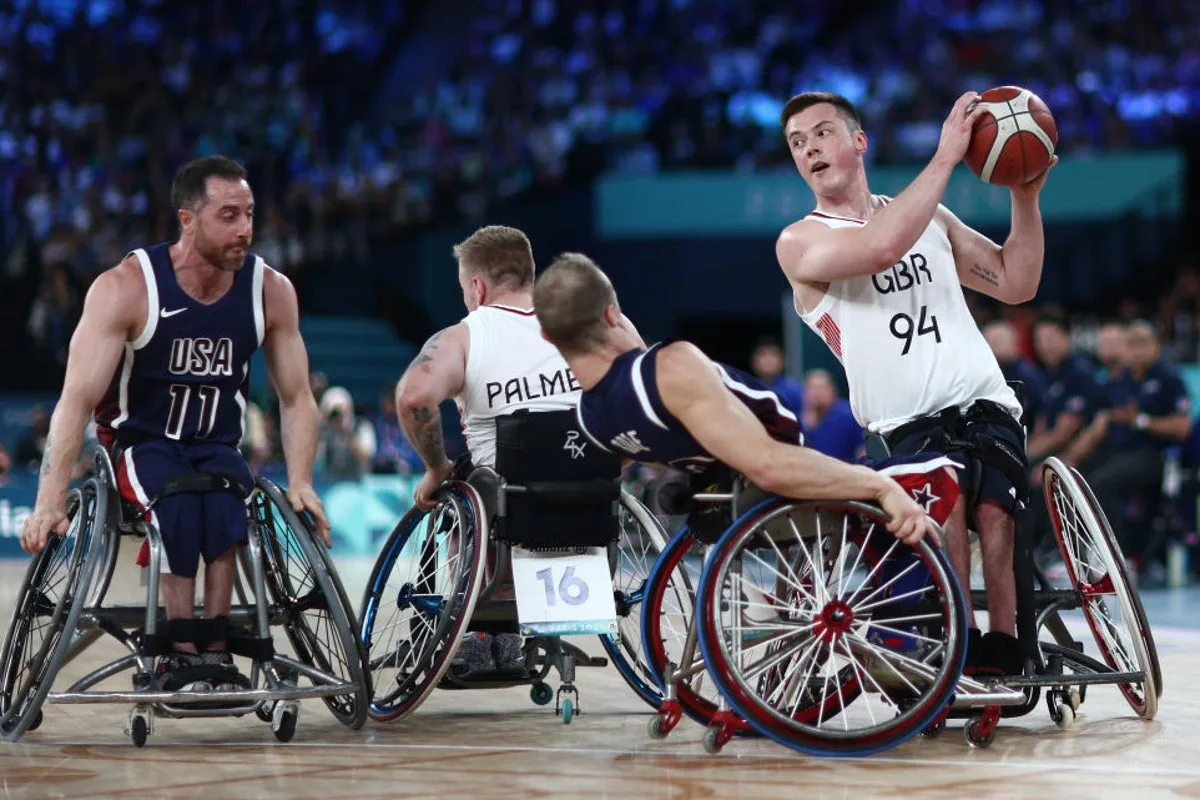
New research suggests that wheelchair basketball may challenge long-held assumptions about performance differences between male and female athletes. The study, conducted by an exercise scientist analysing elite players, found that many physical disparities attributed to sex in able-bodied sports are far less pronounced—or absent—in wheelchair basketball.
The research involved athletes from the Australian national men's and women's teams wearing movement sensors during five international games in 2022. The sensors recorded accelerations, decelerations, changes of direction, speed, and distance covered. Results showed that performance differences were more closely linked to impairment severity than to sex.
Players with less severe impairments—those with greater trunk control—performed more high-intensity actions, regardless of whether they were male or female. Across most measures, including distance covered and average speed, female and male athletes performed similarly over multiple games.

The findings highlight the role of wheelchair basketball's classification system, which groups athletes by functional movement ability rather than sex. Teams must adhere to a combined classification limit, ensuring lineups balance different movement capacities. This structure, the researcher argues, may reveal what sports look like when performance is measured by ability rather than presumptions tied to sex.