

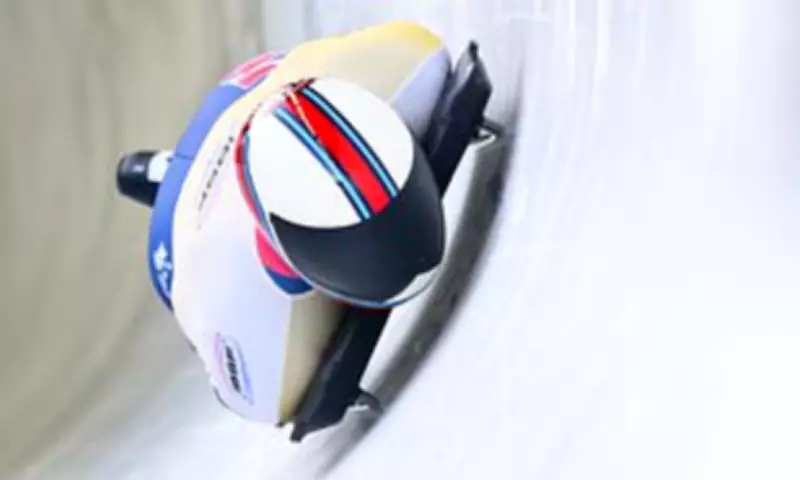
Team GB's Olympic Helmet Appeal Dismissed by Sports Court
Team GB has expressed profound disappointment following an unsuccessful appeal against a ruling that declared their newly designed skeleton helmets illegal for competition. The verdict, delivered by the Court of Arbitration for Sport on Saturday evening, represents a significant blow to world champion Matt Weston and his gold-medal rival Marcus Wyatt as they prepare for the Winter Games.
Athletes Forced to Revert to Previous Equipment
The British skeleton duo must now return to using the helmets that propelled them to dominance throughout the 2025-26 World Cup season. Given their exceptional performance with this previous equipment—where Weston secured victory in five of seven races and Wyatt claimed the remaining two—the failed appeal is viewed more as an embarrassing administrative hiccup than a catastrophic competitive setback. The athletes' proven track record with their original helmets suggests their medal prospects remain fundamentally intact.
Official Response from Team Leadership
Natalie Dunman, the team's performance director, articulated the squad's reaction to the decision. 'Based on the strength of the case we presented, we are naturally disappointed by today's outcome,' she stated. 'However, this ruling does not impact our final preparations for the Games. The ongoing discourse has not affected our athletes' focus or optimism. Our competitors have been winning medals consistently throughout this Olympic cycle using their current helmets, and we remain confident in our strong position to continue that successful trend.'

Origins of the Equipment Controversy
The controversy first emerged when British sliders unveiled their upgraded helmet design during a training camp in St Moritz on January 29. Team officials contended that the helmet aligned with rule changes scheduled for implementation next year. However, under rigorous scrutiny from the International Bobsleigh and Skeleton Federation, the helmet's shape was deemed non-compliant with regulations currently in force for the Winter Olympics. Crucially, neither Weston nor Wyatt had ever used the disputed newer model in actual competition.
Detailed Rationale from the Court
The Court of Arbitration for Sport provided a comprehensive explanation of its verdict. The appeal, filed on February 2, 2026, challenged an IBSF decision from January 29 stating the Team GB helmet violated Skeleton Rules based on its shape. The British Bobsleigh and Skeleton Association argued the helmet was compliant because it lacked any attached elements or specific aerodynamic modifications.
Conversely, the IBSF maintained that the helmet's overall shape and design incorporated prohibited spoilers, protruding edges, or aerodynamic elements, thus failing to meet applicable standards. The CAS panel emphasized its role was not to judge whether the helmet represented a performance improvement over existing equipment, but strictly to assess compliance with current IBSF rules for the 2026 Olympic Winter Games.
After evaluating expert testimony and evidence, the panel noted the helmet departed significantly from standard shapes, featuring a novel design specifically developed to enhance aerodynamic performance, particularly with a considerably protruding rear section. The panel concluded the BBSA had not sufficiently demonstrated the helmet's compliance with existing IBSF Rules, resulting in the application's dismissal.
Matt Weston has previously insisted the equipment dispute will not distract from his gold medal ambitions, having declared he was 'not concerned' by the initial discovery of non-compliance. The team now moves forward with their proven previous helmets, aiming to convert World Cup dominance into Olympic glory.






