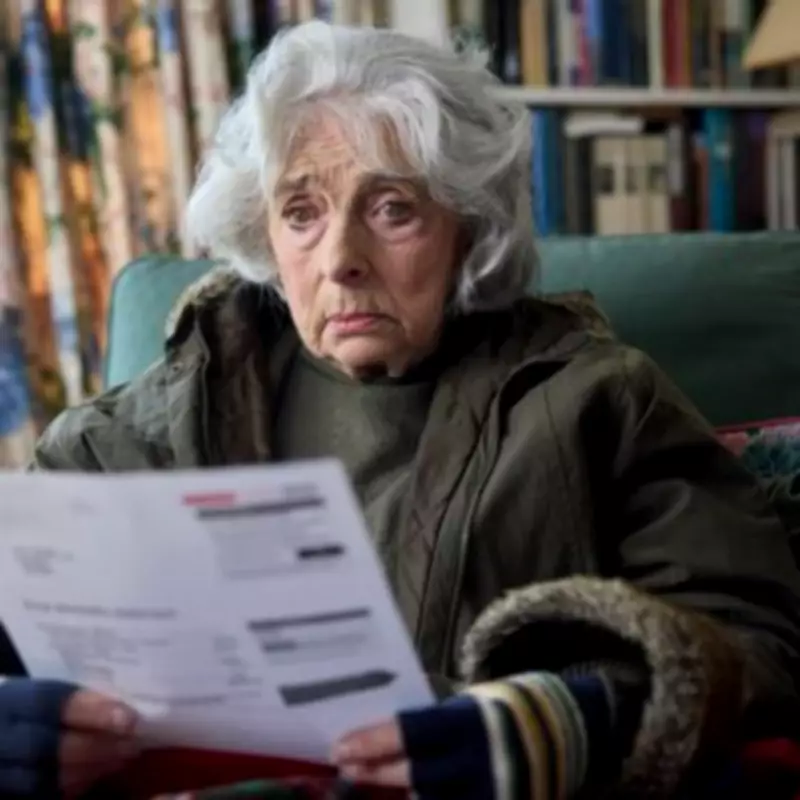
The state pension is undergoing phased changes that will affect everyone turning 66 over the next year. The state pension age is rising from 66 to 67, meaning some individuals may need to work an extra year before accessing their state pension. This increase is being implemented gradually, directly impacting those celebrating their 66th birthday between April 6, 2026, and March 5, 2027.
Understanding the State Pension Age Change
The state pension age is the earliest age at which you can claim your state pension, although you are not required to claim it at that age and can defer payments to a later date. Since October 2020, the state pension age has been 66. However, due to the phased rollout, each person turning 66 between now and March 5, 2027, may have a different state pension age.
The first group affected turned 66 in April and will become eligible for their state pension in May. Meanwhile, those turning 66 in May will have to wait an additional two months before receiving their state pension.

State Pension Age by Birthday
- 6 April 1960 – 5 May 1960: 66 years and 1 month
- 6 May 1960 – 5 June 1960: 66 years and 2 months
- 6 June 1960 – 5 July 1960: 66 years and 3 months
- 6 July 1960 – 5 August 1960: 66 years and 4 months
- 6 August 1960 – 5 September 1960: 66 years and 5 months
- 6 September 1960 – 5 October 1960: 66 years and 6 months
- 6 October 1960 – 5 November 1960: 66 years and 7 months
- 6 November 1960 – 5 December 1960: 66 years and 8 months
- 6 December 1960 – 5 January 1961: 66 years and 9 months
- 6 January 1961 – 5 February 1961: 66 years and 10 months
- 6 February 1961 – 5 March 1961: 66 years and 11 months
- 6 March 1961 – 5 April 1977: 67 years
Everyone born after March 5, 1961, will have a state pension age of 67. The Gov.uk website provides a state pension age calculator for individuals to check their minimum state pension age.
Future Increases and Sustainability
The state pension age is constantly under review, with further increases expected in the 2040s. Officials state that this is necessary to keep the threshold aligned with life expectancy figures in the UK, ensuring that everyone can spend roughly the same proportion of their life in retirement.
Addressing the Work and Pensions Committee on March 18, Pensions Minister Torsten Bell explained that the state pension age changes are meant to keep up with rising life expectancy. He noted that at the point the state pension age was first introduced, only about half of people were expected to reach it, whereas now it is 93%. The aim is to have a sustainable state pension in the long term, though Bell acknowledged that raising the state pension age is never an easy decision.
Notifications and Planning
Everyone affected by changes to their State Pension age should receive a letter from the Department for Work and Pensions (DWP) well in advance. Being aware of these changes allows individuals to adjust their retirement plans accordingly.
Current State Pension Amount and Eligibility
Currently, the new state pension is worth £241.30 per week, but this amount is only available to those who meet the 35 qualifying years criteria. A qualifying year is one in which you paid National Insurance contributions, received National Insurance credits, or bought voluntary contributions. If you have fewer than 35 qualifying years, you will receive a proportion of the full state pension rate. Those with fewer than 10 qualifying years are not eligible for any new state pension.
According to analysis by Royal London in 2023, only about half of the 3.4 million people receiving the new state pension were eligible for the full amount.