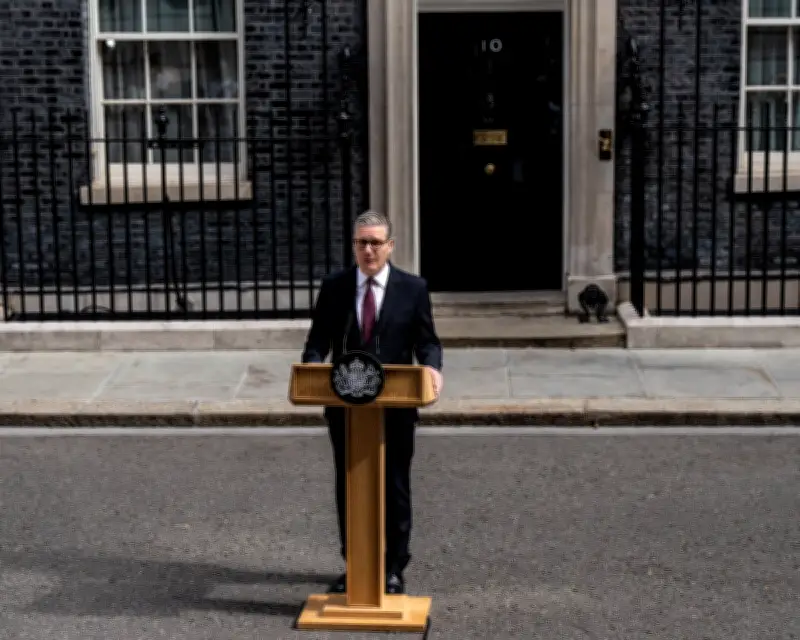
Britain is set to have its fifth prime minister in four years after Keir Starmer announced his resignation. The Labour leader, who won a landslide parliamentary majority in the 2024 general election, stepped down following months of mounting pressure from his own MPs.
Starmer's Downfall
Starmer, a former human rights lawyer, was initially hailed as a pragmatic leader capable of restoring stability after years of Conservative infighting. However, missteps—including cutting winter fuel subsidies for pensioners and a U-turn on welfare—undermined his authority. The appointment of Peter Mandelson as US ambassador, later sacked over ties to Jeffrey Epstein, triggered one of the worst political scandals since World War II. Meanwhile, Reform UK, led by Nigel Farage, routed Labour in municipal elections in 2025 and again in May, eroding Starmer's support.
Andy Burnham: The Prime Minister in Waiting
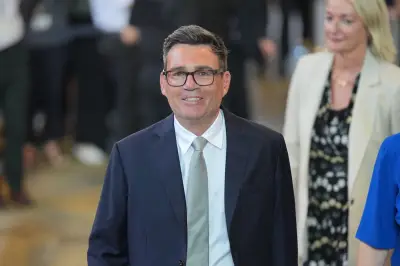
Andy Burnham, 56, a veteran of the Brown and Blair governments, has served as mayor of Greater Manchester since 2017. Known as “the king in the north,” he presided over an economic boom in the region. Burnham returned to parliament this month after winning a special election in Makerfield, defeating the Reform UK candidate by a significant margin. He is seen as Labour's best hope to counter Farage's populist right.

What Happens Next?
Starmer informed King Charles III of his resignation before announcing it publicly. Labour's national executive committee will set a timetable for a leadership contest, with nominations opening on 9 July and hustings by 16 July. Wes Streeting, a former health secretary, has withdrawn his candidacy and endorsed Burnham, making a coronation likely. Burnham could become Labour leader on 17 or 18 July and then prime minister.
How Would Burnham Govern?
Burnham's record as mayor emphasizes devolution and state intervention, encapsulated in “Manchesterism.” He is associated with the soft left but has sought to bridge divides within Labour. He supports Starmer's immigration reforms and has signaled continuity on key policies. Critics point to his past comments about not being “in hock” to bond markets, but he is widely seen as a unifying figure.
Implications for the Next General Election
The next election must be called by August 2029. Reform UK has topped opinion polls since 2025 and is projected to win a majority. Burnham's victory in Makerfield positions him as a “Reform slayer,” but Labour faces challenges from the Greens and nationalist parties in Scotland and Wales. Key policy challenges include military funding, welfare reform, and economic growth amid global uncertainties.