

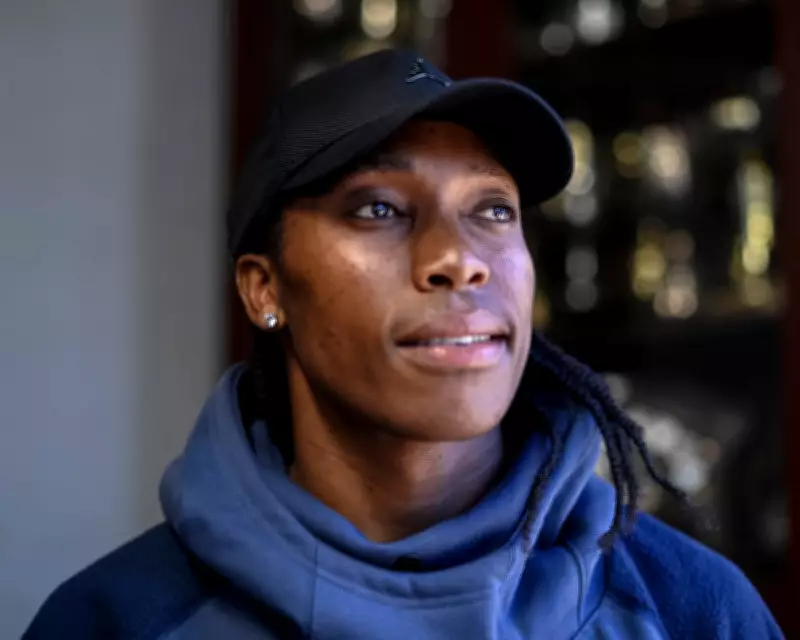
Caster Semenya Condemns Olympic Sex Verification Tests as 'Disrespect for Women'
Caster Semenya, the celebrated South African two-time Olympic 800m champion, has strongly criticised the International Olympic Committee's decision to reinstate sex verification tests for the 2028 Los Angeles Games. In a press conference held in Cape Town, Semenya labelled the move "a disrespect for women," expressing deep disappointment that this policy was enacted under the leadership of IOC President Kirsty Coventry, a fellow African woman.
Harmful Impact on African and Global South Women
Semenya highlighted the disproportionate harm this policy inflicts on women from Africa and the global south. "For me, personally, for her being a woman coming from Africa, knowing how African women or women in the global south are affected by that, of course, it causes harm," she stated. The hyperandrogenic athlete, who has become a symbol of the struggle for rights in sports, argued that requiring women to prove their worthiness to participate is fundamentally disrespectful.
Details of the IOC's New Policy
On Thursday, the IOC announced the reinstatement of genetic testing to determine female sex, effective from the 2028 Olympics. This policy effectively bans transgender athletes and many intersex athletes from women's sports. The testing will involve a one-time SRY gene screening via saliva sample, cheek swab, or blood sample, limiting eligibility to biological females. This marks a reversal from the IOC's previous abandonment of chromosomal sex testing in 1999, which was dropped due to scientific criticism and athlete pressure.

Historical Context and Recent Controversies
The IOC used chromosomal sex testing between 1968 and the 1996 Atlanta Olympics before discontinuing it. Semenya pointed out that this method was previously deemed a failure. The new policy follows recent controversies, such as the row over the sexes of boxers Imane Khelif and Lin Yu-ting at the 2024 Paris Olympics, where the IOC allowed them to compete despite prior exclusions by the International Boxing Association. Additionally, the policy aligns with actions by figures like US President Donald Trump, who issued an executive order banning transgender athletes from women's sports.
Broader Implications for Women's Sports
This ban extends to athletes with differences in sex development (DSD), a condition affecting hormones, genes, and reproductive organs. Semenya, who has male XY chromosomes, is a well-known DSD athlete. While some sports like swimming and athletics have implemented similar bans, others have allowed transgender women to compete if they lower testosterone levels. The IOC's decision aims to standardise eligibility but has sparked significant debate over fairness and inclusion in women's sports.
Semenya's critique underscores ongoing tensions in sports governance, as she continues to advocate for the rights of hyperandrogenic and intersex athletes through both athletic and legal channels.






