

Ross Edgley's Bear Crawl Battle: A Surprisingly Fun Fitness Challenge
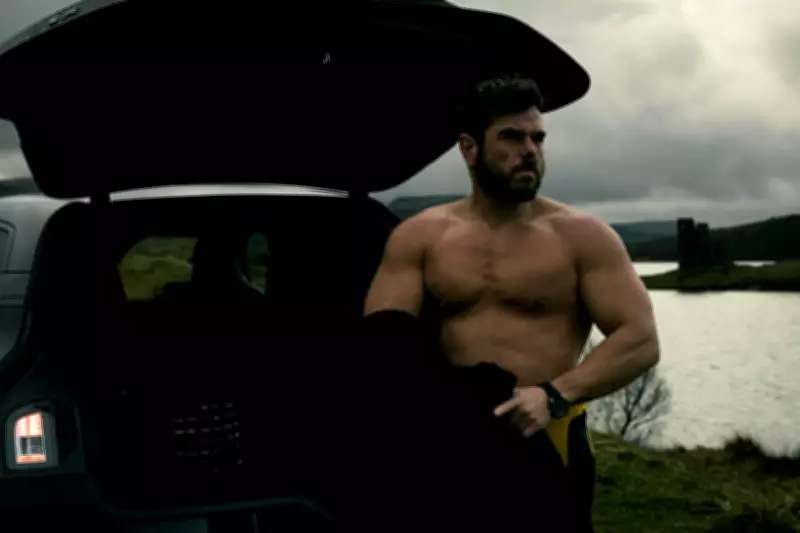
When endurance swimmer Ross Edgley, renowned for feats like swimming around Great Britain and completing triathlons with a tree, issued a workout challenge, it was an opportunity too good to miss. Despite his reputation as one of the fittest individuals globally, the two-move bodyweight test he proposed, dubbed the "Bear Crawl Battle," proved to be unexpectedly enjoyable, suitably demanding, and accessible to a wide range of fitness enthusiasts.
What Is the Bear Crawl Battle?
The workout is elegantly simple in theory, a hallmark of many effective fitness routines. It involves performing an ascending ladder of press-ups and bear crawls until muscle fatigue forces a break. Edgley describes this as a "functional finisher" to be added at the end of workouts, aiming to enhance work capacity—the body's ability to handle training intensity and duration. In his words, "You're training to train."
How to Perform the Workout
Start with one press-up, immediately followed by a one-metre bear crawl. Stand up, walk back to the starting point, and rest for about 10 seconds. Repeat the sequence, adding one press-up and one metre to the bear crawl each round. Continue until you can no longer complete all components without interruption. Emulating Edgley's technique, I opted for a more animalistic bear crawl with higher hips, which allowed for faster movement and maintained challenge intensity, though both strict and relaxed forms are effective based on preference.

Benefits and Philosophy
Edgley, who recently became the first swimmer to circumnavigate Iceland, emphasizes that work capacity is often overlooked in fitness. He argues against the common belief that gym sessions should be limited to 45 minutes to avoid muscle breakdown, stating, "At some point you have to do more." The Bear Crawl Battle, when added to workouts targeting similar muscles like chest or push days, builds general physical preparedness. Over weeks, it can increase tolerance for volume, making athletes better regardless of their sport. Edgley highlights that tracking progress by recording rounds completed provides a unique metric of success beyond traditional measures like bench press weight.
Personal Experience
After a demanding Crossfit session, I tested the Bear Crawl Battle in a local park. Initial rounds felt manageable, with quick movements and ample rest. However, by round 10, accumulated fatigue set in, causing chest burn and shoulder aches during press-ups and crawls. Distractions, such as my dog insisting on play, added to the challenge. By round 17, my arms gave out during the crawl, forcing me to my knees—a clear sign of muscle exhaustion. Despite this, the workout was engaging and pushed my limits effectively.
Verdict: Why It Works
The Bear Crawl Battle stands out for its accessibility; no equipment is needed, and modifications like kneeling press-ups make it inclusive. It self-regulates based on fitness level, ensuring a personalized challenge that promotes positive adaptation and increased work capacity. Moreover, it's fun—crawling in a public park, despite curious glances, added a playful element often missing in standard gym routines. Edgley's innovative approach to fitness, pushing beyond conventional boundaries, makes this workout a valuable addition for anyone seeking to enhance their physical capabilities.






