A call has been made to review Holyrood’s liberal homelessness laws to help Glasgow cope with a refugee crisis.
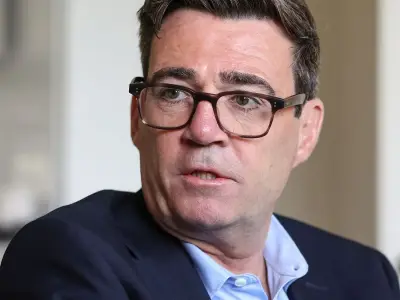
Scottish Labour leadership candidate Joe Fagan said rethinking the abolition of “priority need” for help with housing should be done in a “rational” way.
Funding gap and rising costs
Glasgow council, led by the SNP’s Susan Aitken, is facing a £110m funding gap fuelled by rising homelessness costs. The total bill for homelessness came to £38m in 2025/26, but estimates suggest this figure will rise to £75m next year.

Glasgow is home to over 90% of asylum seekers in Scotland.
Asylum seeker backlog and policy scrutiny
Council chiefs believe the UK Government’s decision to clear a backlog of asylum seeker cases is behind the increased spending. Asylum seekers who have been housed in Glasgow by the Home Office are declaring themselves homeless in the city after they are allowed to stay in the UK.
However, Holyrood’s decision to scrap the ‘priority need’ test for homelessness in 2012 is also under scrutiny. Critics believe the decision has made Glasgow attractive to single male refugees from all over the UK.
Fagan's stance
Fagan, speaking on the Record’s Planet Holyrood podcast, said he backed a review of the “priority need” policy: “I think it makes sense. Let's do it on a rational basis. Don't let Reform pull this into the realm of populism. Let's look at this as a policy challenge that Glasgow and the country faces like any other.”
The South Scotland MSP, who is going up against Michael Marra in the contest, said looking again at “priority need” could be part of a “basket of measures” including more house building. He also echoed calls by Aitken for more funding for Glasgow in this area: “Susan Aitken's right to call for more support from both the Scottish and UK governments. It's incumbent on Scottish and UK governments to work with the local authority and find a collaborative way through this.”
Fairer distribution
With Glasgow housing more asylum seekers than any other part of Scotland, he was also asked if he supported a fairer distribution of people who have fled persecution: “Yes, I do, and I think other local authorities can step up. Through national bodies like COSLA, local government has been trying to do that. But one of the issues that we find - and it makes sense in a lot of ways - is that cities will always pull diverse communities towards them. It's always been the case through history.”