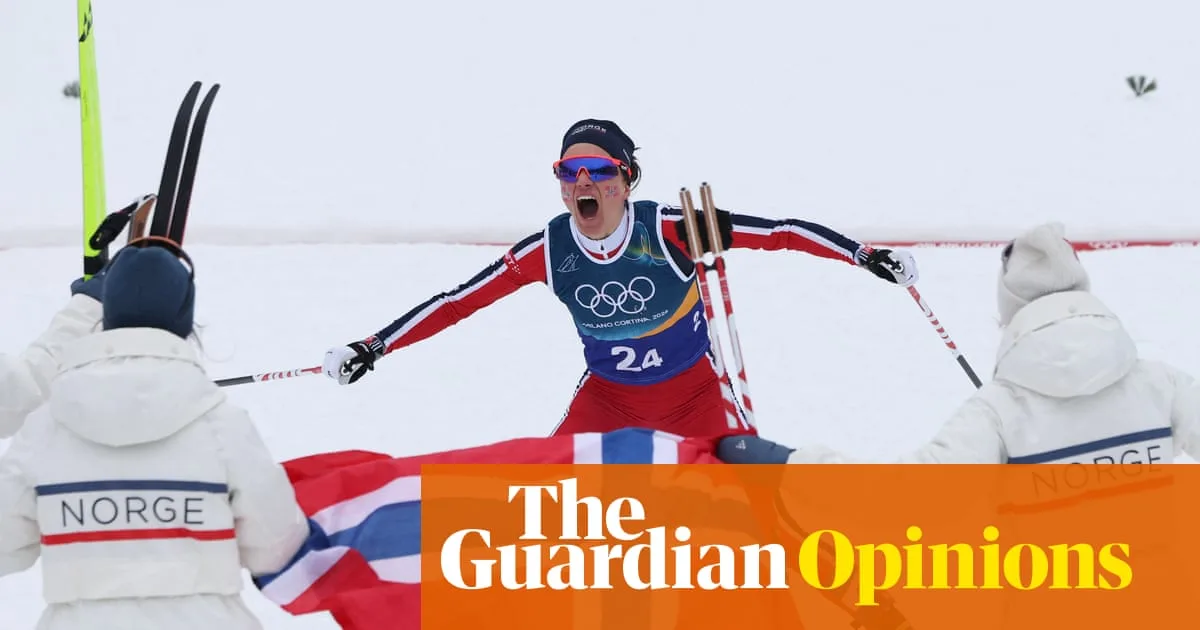
Norway's dominance at the Winter Olympics in Milano Cortina, where they won 18 gold medals and 41 overall, has left many wondering how a nation of 5.6 million people consistently tops the medal table. However, experts argue that the focus on medals overlooks the key to Norway's success: a youth sports system built on fun and inclusivity.
Unlike the UK, where early talent identification, competitive leagues, and ranking systems are common, Norway does not introduce competitive sport for children before the age of 12. Instead, the country follows a national youth sports strategy based on the vision of 'Joy of Sport for All'. This approach prioritises enjoyment over early specialisation and competition.
Norwegian children are not pressured into specialising young, and early bloomers are not favoured over those who develop later. The system ensures access for all, with schools organising winter ski days and families skiing together at weekends. Trophies are given to every child, a practice often ridiculed in the UK as 'soft' or 'not real life'.
Johannes Høsflot Klæbo, who won six gold medals at Milano Cortina and now has 11 Olympic golds in total, only entered the performance system at age 15 after enjoying a range of sports growing up. This long-term approach, experts say, forges resilient adults and elite athletes from a childhood of thriving sporting experiences.
In contrast, UK reports show fewer than half of all children get a basic amount of daily exercise, with rapidly increasing drop-out rates before adulthood. The UK's national sports strategy, with the strapline 'Get Active', has been criticised as feeling more like a reprimand than an inspiring vision, lacking the joy that underpins Norway's system.