

The National Football League is poised to allocate a substantial $542 million through its performance-based pay initiative this year, providing additional compensation to players based on their playing time and salary levels. This program, an integral component of the collective bargaining agreement between the NFL and the NFL Players Association, aims to reward athletes on lower salaries who participate in a high percentage of their team's offensive, defensive, or special teams snaps.
Program Overview and Historical Context
Since its establishment in 2002, the performance-based pay system has disbursed nearly $3.3 billion to players across the league. Following the conclusion of the 2025 season, this cumulative figure is projected to rise to almost $4 billion, underscoring the program's significant financial impact over more than two decades.
2025 Distribution and Notable Recipients
In an announcement made on Monday, the NFL confirmed that players will receive over $542 million through the program this year. A striking development is that the top 25 earners will all receive bonuses exceeding $1 million, a marked increase from 2024 when only five players surpassed that threshold.

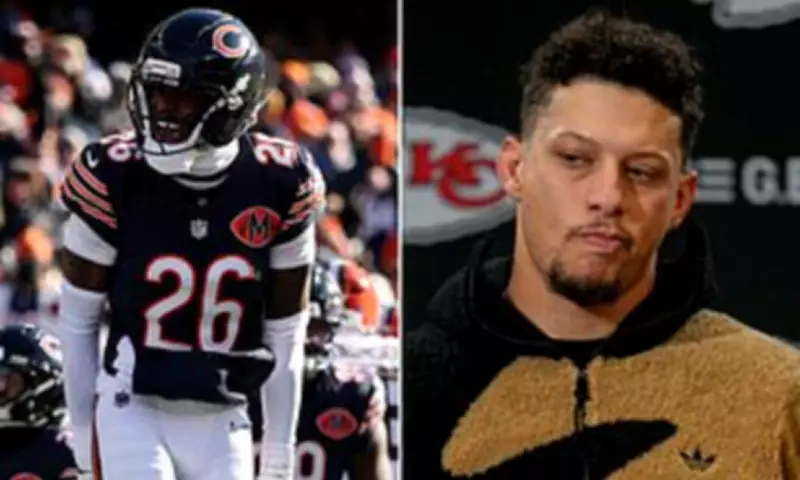
The scheme specifically benefits those with lower base salaries and higher snap counts, meaning the league's highest-paid superstars, such as Kansas City Chiefs quarterback Patrick Mahomes, do not qualify for these additional payments. Instead, it targets players who deliver substantial on-field contributions relative to their earnings.
Case Study: Nahshon Wright's Windfall
Former Chicago Bears defensive back Nahshon Wright exemplifies the program's impact, more than doubling his 2025 earnings thanks to a performance-based bonus. Wright received the largest payout in the league at over $1.4 million, supplementing the $1.1 million he earned from the Bears last season.
During that campaign, Wright recorded five interceptions, three fumble recoveries, and two forced fumbles, playing a pivotal role in helping Chicago secure the NFC North title for the first time since 2018. His 1,041 defensive snaps represented a playing time percentage of 97.02, the third-highest on the Bears' defense.
This performance made Wright only the second player in the past 15 years, alongside Minkah Fitzpatrick in 2019, to achieve such statistical milestones in a single season, earning him his inaugural Pro Bowl selection. Following the expiration of his contract with Chicago, the 27-year-old recently signed a one-year deal with the New York Jets reportedly worth $3.5 million.
Other Top Bonus Recipients
The remainder of the top ten beneficiaries from last season's program includes:
- Cleveland Browns safety Ronnie Hickman
- Atlanta Falcons tackle Elijah Wilkinson
- Carolina Panthers safety Nick Scott
- Washington Commanders guard Chris Paul
- Baltimore Ravens guard Andrew Vorhees
- Minnesota Vikings defensive end Jalen Redmond
- Pittsburgh Steelers guard Mason McCormick
- Kansas City Chiefs safety Chamarri Conner
- New England Patriots safety Craig Woodson
Each of these players received supplementary payments ranging from approximately $1.15 million to $1.3 million, highlighting the program's role in bridging the compensation gap for essential but often underpaid contributors.
Mechanism and Future Implications
The performance-based pay program calculates bonuses by comparing a player's salary against their total snaps, ensuring that those with the lowest salaries and highest playing time receive the most significant financial rewards. This structure promotes equity within team rosters and acknowledges the value of consistent on-field participation.
As the NFL continues to evolve, this initiative remains a critical tool for player compensation, fostering a more balanced economic landscape while incentivizing performance across all salary tiers. The anticipated near-$4 billion total payout by the end of 2025 reaffirms the league's commitment to rewarding dedication and contribution beyond star player contracts.






