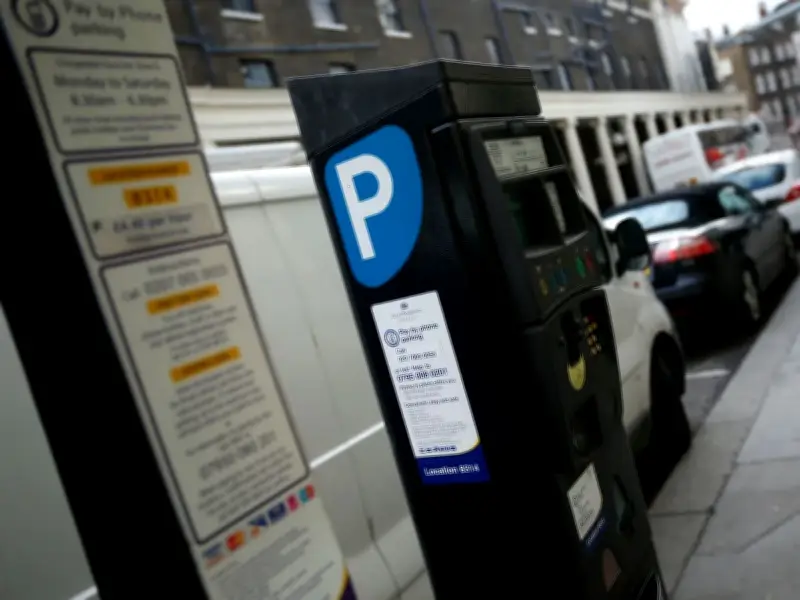
Motorists across the UK are set to gain sweeping new rights to challenge unfair private parking charges under a new Code of Practice announced by Andy Burnham. Among the headline changes, drivers will be guaranteed a mandatory five-minute period upon arrival to decide whether to stay and park, as well as a 10-minute grace period to leave a car park after their session ends before facing any penalty.
New Rules and Protections for Drivers
The code, which will apply across England, Scotland, and Wales, aims to eliminate predatory enforcement while offering statutory protection to drivers who make minor administrative mistakes or face emergency situations. The changes are expected to come into force by the end of this year.
Under the new rules set out by the Ministry of Housing, Communities and Local Government, private parking charges will be cancelled on appeal for valid reasons, including brief stops to check directions, vehicle breakdowns within the car park, medical emergencies, and out-of-service or broken ticket machines.
Lower Penalties for Minor Errors
For minor errors - such as typing a registration number incorrectly, forgetting a parking permit, or failing to confirm details at a payment terminal - appeals will limit penalties to a maximum charge of £20.
Hailing the change, the Prime Minister said: "Being a few minutes late back to your car or typing one digit of your numberplate wrong shouldn’t end with a hefty fine landing on your doormat."
"These charges leave people feeling ripped off and out of pocket, so I’m putting a stop to them," Mr Burnham added. "We are introducing clearer rules, longer grace periods and lower charges for genuine mistakes, while going after the deliberate scams that rip drivers off."
Surge in Parking Enforcement
The intervention follows a dramatic surge in private parking enforcement. Analysis of Government data by the Press Association (PA) and motoring research charity the RAC Foundation reveals that a record 16.9 million parking tickets were handed out by private firms in the year to March - up from 14.4 million the previous year and 6.8 million in 2018/19.
With individual tickets capped at £100, the total daily cost to motorists is estimated at over £4.6 million. Parking operators attribute this rise to an increase in the number of managed car parks.
Oversight and Further Reforms
To protect consumers, the Burnham administration is freezing maximum parking charges at £100 and establishing an independent scrutiny and oversight board for the first time. Non-compliant operators risk losing access to crucial Driver and Vehicle Licensing Agency (DVLA) vehicle keeper data, effectively stripping them of the ability to enforce fines.
The Government has also opened a consultation into debt recovery fees, evaluating whether to lower the current £70 cap or eliminate these extra charges entirely.
Speaking about the announcement, Head of Policy at the RAC, Simon Williams called the code a "step in the right direction," while noting that further reform is still needed.
"We’ve long called for the banning of debt recovery fees being added on top of parking charge notices (PCNs) and a single independent appeals body to replace the two industry-run ones, but neither have been included, which is disappointing," he said. "That said, the fact we finally have a code seven years on from the Private Parking Code of Practice Act becoming law is positive."
Car park management companies will now have to conform to a new set of rules or risk losing access to the DVLA’s database which they depend on to issue PCNs to drivers. This will hopefully prevent many drivers wrongly being issued tickets in the first place.
Mr Williams added: "While this isn’t quite the Christmas present we wanted for drivers, it should hopefully save many the stress of having to challenge unfair tickets."
The Government has also announced a crackdown on second-hand car dealers who wind back mileage clocks on vehicles. While fraudulently selling a "clocked car" is already illegal, it will be added to an official list of banned practices making it easier for enforcers to address it.