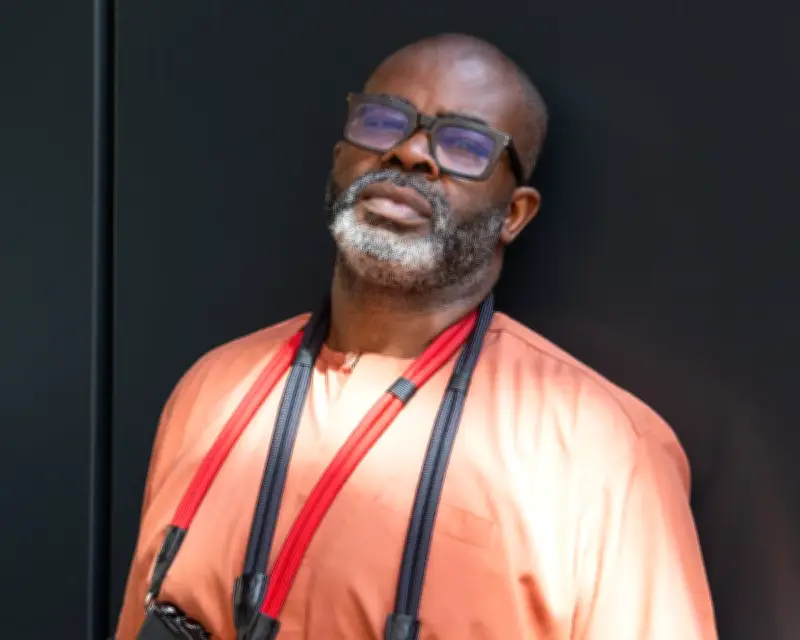
Misan Harriman, the 48-year-old photographer and activist, has had a tumultuous few weeks. After returning from New York, where he hosted screenings of his documentary Shoot the People, he announced he would step down as chair of the Southbank Centre in the autumn. The decision, made in January, was delayed due to internal processes, but his resignation has been celebrated by critics who questioned his suitability for the role given his outspoken social media presence.
From City Headhunter to Protest Photographer
Harriman's journey began eight years ago when his wife gave him a camera and urged him to stop talking about art and start creating it. He taught himself photography from YouTube tutorials and quickly gained recognition for his black-and-white protest images. His first viral photo, of England hockey player Darcy Bourne holding a sign reading 'Why is ending racism a debate?', became emblematic of the Black Lives Matter movement in 2020.
In August 2020, he became the first Black male photographer to shoot a cover of British Vogue, featuring Marcus Rashford and Adwoa Aboah. He was later chosen by Prince Harry and Meghan Markle for their family portraits and received an Oscar nomination for his short film in 2024.

Controversy Over Social Media Posts
Since May, Harriman has faced intense scrutiny over his social media activity. The Telegraph accused him of sharing a post containing a 'conspiracy theory' about the Golders Green attack, which critics said risked minimising antisemitism. Harriman defended the post, stating he only questioned the disparity in media coverage for Muslim victims.
He also faced backlash for quoting Susan Sontag in a video about the Holocaust, comparing the Reform party's election gains to the 80% of people who can be swayed in either direction. The Holocaust Educational Trust called the comparison 'distasteful in the extreme'.
Support and Criticism
Despite the backlash, Harriman received support from figures like Greta Thunberg, Tracey Emin, and Gary Lineker, who signed an open letter decrying a 'dishonest smear campaign'. Over 100,000 people signed an online pledge of support. Harriman argues that his treatment stems from his willingness to speak out on issues like Gaza and climate change, unlike other cultural leaders who remain silent.
He has filed complaints against several newspapers via the Independent Press Standards Organisation. Harriman maintains that his posts are fact-based and that he has been unfairly targeted due to his race and visibility.
What's Next for Harriman
Despite the controversy, Harriman shows no signs of slowing down. He has another film and a TV series in development, and his documentary Shoot the People continues to screen in the UK and US. He remains active on social media, posting about topics from drone strikes in Sudan to African teams at the World Cup.
Harriman's rapid rise and subsequent fall from grace highlight the tensions between artistic expression, institutional leadership, and online activism in modern Britain.