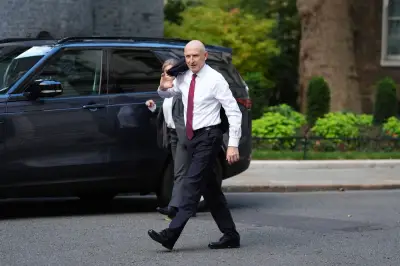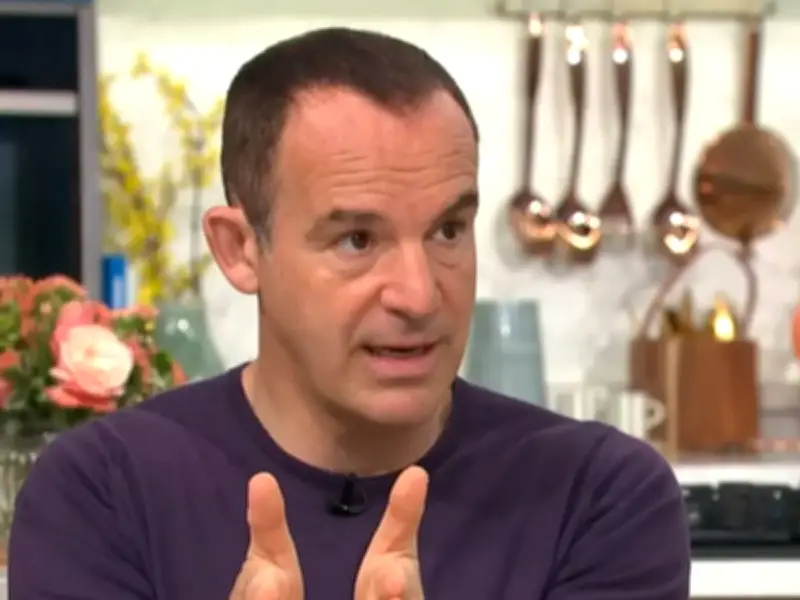
Martin Lewis has said he is “pleased” with Chancellor John Healey’s plan to axe standing charges on gas bills and expects a further Budget intervention on household energy bills, which are forecast to soar in January. The MoneySavingExpert founder, who was in No 11 on the morning of the fiscal statement, said on X: “I’ve just come out of a meeting with the Chancellor. The gas standing charge will be scrapped in 2027 (my guess, either for 1 Oct price cap or the 1 Jan 28 price cap).”
What Lewis said about the change
“Having campaigned against the moral hazard of standing charges for years, I’m pleased. It’s currently £108 a year. That cost will be shifted onto unit rates. We don’t know how much yet, but I suspect just under 1p per kwH. The Chancellor also said he will be talking to Ofgem about how they get rid of the charge on electricity as well, but that is ‘trickier’ apparently and will take longer.”
Mr Lewis said “about 60% of people will pay less due to this, 40% more”, with the dividing line “somewhere around 12,500 kilowatt hours of gas,” as he called for support for vulnerable higher users who will have to pay more.
January price cap rise warning
He continued: “That’s all long-term. The biggest issue in energy right now is that we’re expecting a 27% rise in the price cap in January. I asked the Chancellor whether he will be intervening on that. He told me I’d have to wait for the Budget, but reading between the lines, yes, there will be an announcement today. Whether it’s an increase in the warm home discount, or whether it’s council tax (band-related), or whether it’s done via a payout for people in say council tax bands A-D as a proxy for household income as Rishi Sunak did who knows.”
Earlier this morning, the Treasury confirmed that standing charges on gas bills would be scrapped from next year for around 23 million homes. John Healey will confirm the change in his first Budget as Chancellor on Wednesday, in which he has promised “breathing space” for households and businesses.
How standing charges work
The charges are a fixed daily fee added to bills, regardless of how much gas a customer uses, and cost around £108 per year for a typical household. The Treasury said Mr Healey will ask regulator Ofgem to remove standing charges “in 2027 or as soon as possible after”. Instead, fixed costs will be paid on the unit rate, which the Treasury said could save 60% of households an average of £45 on their annual bills.
Prime Minister Andy Burnham said: “Abolishing gas standing charges is about basic fairness and giving people more control over their bills. I am determined to reform our broken energy market, so it better serves the public interest.” Mr Healey, who was hosting MoneySavingExpert founder Martin Lewis in No 11 on the morning of the Budget, added: “Gas standing charges are unfair and outdated so I am scrapping them to give millions of households a bit of breathing space. My Budget will draw a line in the sand on an energy policy that has failed British billpayers for years, letting extra costs on bills pile high and leaving households even more exposed to global shocks.”
Concerns raised
Mr Burnham told the Commons last week that he had asked Mr Healey and Energy Secretary Miatta Fahnbulleh to examine abolishing standing charges. The fee does not pay for the energy itself, but covers the cost of delivering gas and electricity to homes and businesses – including the cost of essential maintenance and infrastructure upgrades.
Concerns have been raised that some low-income consumers who use large amounts of energy could be left worse off if the costs simply moves to the unit rate part of the gas bill. The Treasury said ministers will “set out in due course targeted mitigation for a small number of households,” and that those “not seeing an automatic saving will still have better control over their bills without the worry of affording the standing charge”.