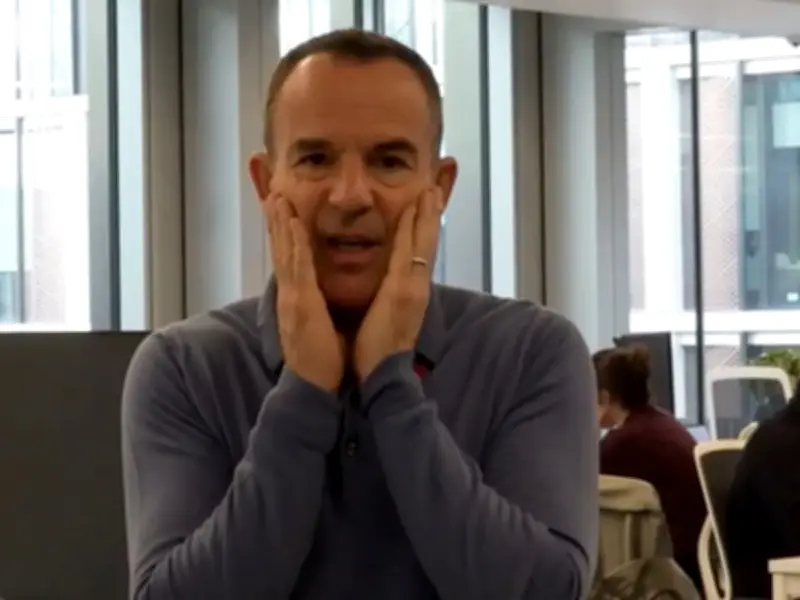
Martin Lewis has identified the major winners of today's Budget after Chancellor John Healey pledged energy bill relief for millions of Britons.
In his statement to the House of Commons, Healey announced that an estimated 20 million households would receive £100 to help with energy bills. He also revealed that Britain is spending £14 billion on debt interest this year due to increased borrowing costs. "Those are the storms we face," he told MPs.
Energy Support and Standing Charge Changes
The money-saving expert welcomed the scrapping of the gas standing charge, which is projected to help people on lower incomes. "Lower users will pay less," Lewis said. "Higher users will pay more but, ultimately, that is a big win because it means the more you use the more you pay, the less you use the less you pay. It's a much simpler system."
Lewis highlighted the major government intervention on energy prices. "The big news on energy is in January if you live in a household that pays council tax band A to D your house will get a hundred pounds of energy support paid to you by direct debit," he said. He noted that council tax band was the closest measure of household income as the government lacks detailed income data for every household.
ISA Changes and Fiscal Drag
Those aged under 65 will see a boost to their investment potential after plans to cut ISA limits were scrapped. Lewis said: "The Cash ISA limit which was due to be slashed for under 65s to £12,000 a year from £20,000 a year, that's gone. That's no longer happening and all the anti-avoidance measures that have been put in place like you couldn't transfer from a shares ISA to a cash ISA...that's all gone too."
The first-time buyers ISA will launch in April 2029, described by Lewis as "a much simpler product than the lifetime." He also welcomed changes to the lifetime ISA penalty. "Right now, if you buy a house and it costs over the £450,000 threshold, you have to pay a penalty - effectively a fine - of over six per cent to the state to get your money out to use it on your house. That's gone," he said.
However, Lewis warned of fiscal drag, which could lead to more Brits being taxed. "As your earnings go up due to inflation and average earnings, more of your earnings will pay tax," he said. "That's what fiscal drag is. That's the biggest revenue raiser. That isn't changing."