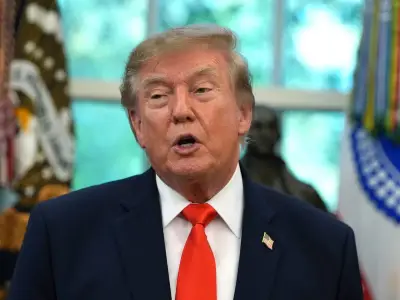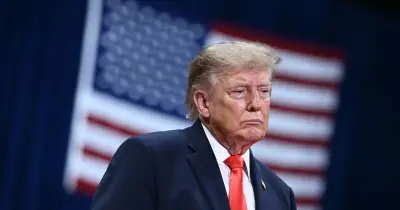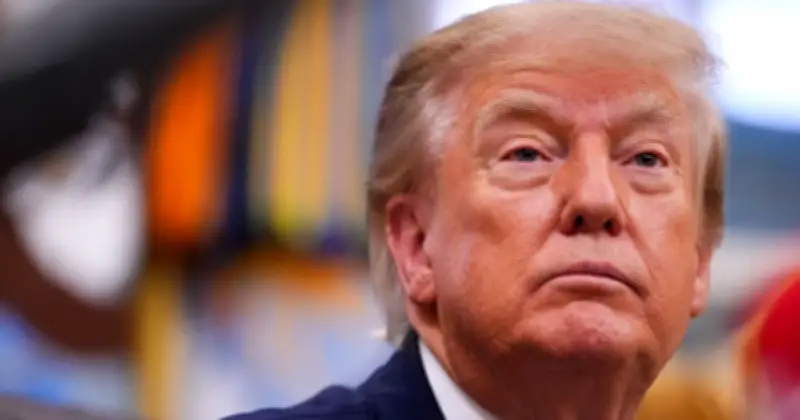
A federal judge has temporarily blocked construction of President Donald Trump's proposed 250ft monument in Washington DC, ordering a 14-day halt to the project.
US District Judge Tanya Chutkan issued the temporary restraining order late on Thursday, November 5, shortly after the project received final planning approval. The ruling freezes work on the towering triumphal arch planned for Memorial Circle, near Arlington National Cemetery and Ronald Reagan Washington National Airport.
Planning Approval and Opposition
The National Capital Planning Commission had voted eight to four in favour of the monument following a lengthy hearing in which around 100 opponents, including Democratic lawmakers, raised objections. Trump's administration had indicated that construction could begin almost immediately after receiving the necessary approvals.
The proposed arch, which would stand 250ft (76 metres) tall, is inspired by famous triumphal arches in cities including Paris and Rome and forms part of Trump's wider efforts to transform the American capital.
Legal Challenges and Concerns
The project has sparked fierce opposition from military veterans, preservationists and local officials, who argue that its enormous size would overshadow the nearby cemetery. Legal challenges have been brought by authorities in Washington DC and Virginia, alongside three Vietnam War veterans and an architectural historian, who have questioned whether the project can legally proceed.
Opponents have argued that the monument requires congressional approval and warned that construction could disrupt traffic, affect emergency services and impose high costs on local authorities.
In her ruling, Judge Chutkan raised concerns about the immediate impact of construction, including traffic disruption and the resources needed to manage road closures and diversions. She also questioned the administration's claim that legislation dating back to 1925 provided the necessary authority to build the monument without further congressional approval.
The judge wrote: "The sheer improbability that a 100-year-old statute would contain authority, unknown to every previous administration, to erect a 250-foot arch at a principal location in the Nation's capital indicates how far defendants must stretch to justify this project."
Reactions and Next Steps
Critics have accused Trump of pursuing a personal vanity project, with Democratic Congressman Jared Huffman arguing that the arch would serve as a tribute to the President rather than America's military veterans. Supporters insist the structure would honour the country's history, commemorate its 250th anniversary and recognise those who have served in the armed forces.
Mark Paoletta, chairman of the National Capital Planning Commission, defended the proposal, arguing that grand monuments were an important expression of America's national identity. The Trump administration has maintained that Congress authorised a memorial at the site more than a century ago, although opponents dispute whether that legislation permits the proposed structure.
According to the Justice Department, the entire project is expected to take between 33 and 39 months to complete, meaning construction would extend beyond Trump's current presidential term. The ruling does not permanently cancel the monument, but prevents construction from proceeding for 14 days while legal challenges continue. The administration has also been ordered to provide a status report on Monday confirming that it is complying with the court's decision.