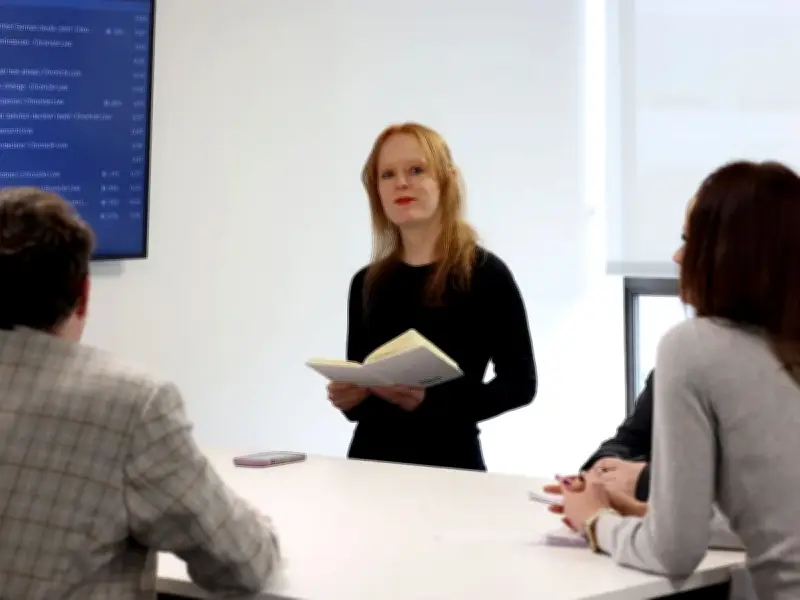
Journalism Matters Week 2026 is being marked across the North East as a celebration of local journalism's role in communities, democracy and daily life. Editor-in-chief Helen Dalby has joined Prime Minister Andy Burnham in writing about the importance of trusted local reporting and the difference it makes.
Campaigns That Made a Difference
Dalby highlighted the Chronicle's work with the family of seven-year-old Archie York, who was killed in a house explosion caused by an illegal drug lab in Benwell in October 2024. Drug dealer Reece Galbraith was sentenced to 14 years for manslaughter, with an expected requirement to serve two-thirds of his sentence before becoming eligible for licence release.
When Archie's mother, Katherine Errington, learned that emergency early-release prison schemes could see Galbraith freed after serving just seven years, she turned to the Chronicle for help. The newspaper launched a campaign demanding that child killers be explicitly excluded from early prison release programmes.
Since then, the Prime Minister has announced that child killers will not be eligible for early release. Dalby described this as a victory for the families at the heart of the campaign and a defining example of local journalism defending the vulnerable and holding lawmakers accountable.
Giving a Voice to Communities
Speaking about the campaign, Katherine said: "I turned to my local newspaper for help, and I genuinely don't believe I would have achieved the outcome I had hoped for without them."
Dalby said those words are the reason she does her job with a great sense of pride and responsibility. She noted that local journalism also celebrates what makes the region special, pointing to the Mercury Prize putting Newcastle on the national stage, as well as the annual North East Charity Awards, North East Business Awards and Culture Awards.
Campaigning for the A1
Local journalism also challenges what needs to change, Dalby wrote. The Journal, which has campaigned for 30 years for the single carriageway stretch of the A1 in Northumberland to be dualled, joined forces with the Chronicle following a spike in accidents, including eight fatalities in 2026 alone.
The campaign engaged over 3,000 readers via a Change.org petition and convened regional leaders, including North East Mayor Kim McGuinness and Council Leader Glen Sanderson, for a filmed debate. This sustained advocacy has helped to secure vital safety and junction upgrades.
On Monday evening, Dalby will represent the Chronicle and Journal at Parliament, where the child killer early release campaign and the A1 campaign are both shortlisted in the Journalism Matters Week 'Making A Difference' awards.
Prime Minister on Local Journalism
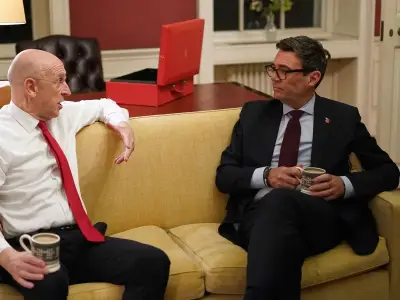
Prime Minister Andy Burnham added his voice to Journalism Matters Week, writing that too much power has flowed towards Westminster and away from where people live. He said this government is putting power and resources back into communities, but that greater local power must come with local accountability.
Burnham noted that local reporters sit in council chambers, courts and planning meetings, asking the questions that need to be asked. He highlighted the Manchester Evening News campaign for free bus travel for homeless children living in temporary accommodation as an example of journalism bringing people together to support change.
The Prime Minister said access to good local journalism is becoming increasingly unequal, with up to 37 local authority districts having no dedicated outlet of their own, leaving as many as 4.4 million people in local "news deserts".
Through the Local Media Action Plan, the new Local News Fund will provide up to £12 million over two years. This year, local newspapers, websites and independent television and radio stations in England and Wales have been able to bid for up to £125,000 to invest in their future. Up to £275,000 has been made available for projects that strengthen the wider industry, and in the second year, £1 million will help communities bring local journalism back where it has disappeared.