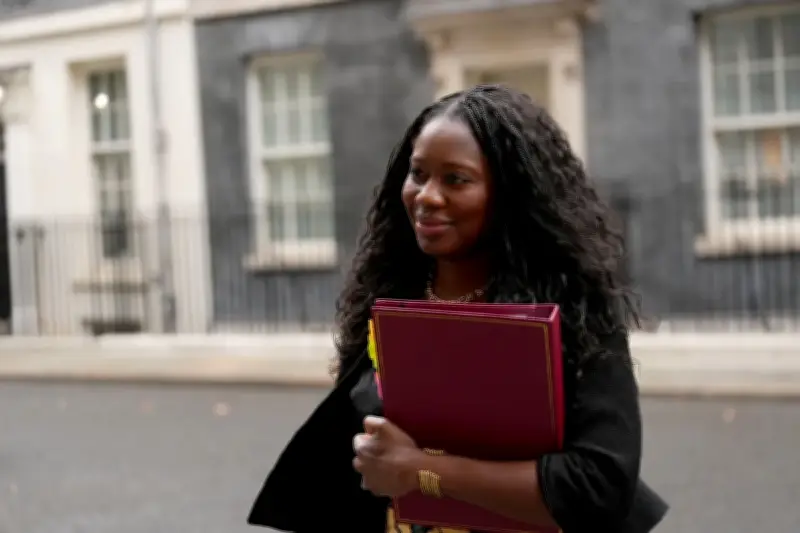
The UK Government has approved the Jackdaw gas field, with gas expected to start flowing within weeks, in a move designed to improve domestic energy security and provide an economic boost. Energy Security and Net Zero Secretary Miatta Fahnbulleh gave the green light to the scheme, which is expected to increase domestic gas production by around 6% at its peak, safeguard hundreds of jobs, and provide an estimated £2.9 billion economic boost.
Approval Details and Economic Impact
Gas from Jackdaw, located around 150 miles east of Aberdeen, will start supplying homes and businesses from the end of the month after Ms Fahnbulleh agreed that regulator the North Sea Transition Authority could approve the scheme. The approval means the project, first licensed in June 2022, will proceed after fresh public consultations closed in August.
Tax revenues from North Sea oil and gas will be funnelled into a new energy wealth fund, backed with an initial £2 billion, which will be used to invest in renewable and low carbon projects. The move is expected to lead to the creation of 27 new jobs and secure 273 existing posts.
Government and Industry Reactions
Prime Minister Andy Burnham said the decision would “protect hundreds of jobs and help keep millions of homes warm this winter”. He added: “At a time when people are really struggling, it’s right that we look in a responsible way at maximising the existing energy reserves we have in Britain that could help.”
Chancellor John Healey, speaking at the St Fergus gas terminal near Peterhead in Aberdeenshire, said: “Now is the time, with the conflict and the rising prices, to make the most of our own homegrown energy through production from Jackdaw.” He also announced the new energy wealth fund, stating that extra tax revenues from North Sea oil and gas could be directed into developing more clean energy projects.
Environmental Criticism and Calls for Rosebank
The approval has been sharply criticised by environmental campaigners. Ami McCarthy, head of politics for Greenpeace UK, said: “Approving Jackdaw shows the toxic grip fossil fuel lobbyists still hold over our energy policy.” Kate Norgrove, WWF chief impact officer, called it a “disappointing decision”, while Tessa Khan of Uplift said Labour’s climate credibility is “on the line now” with Rosebank becoming the defining test.
The chief executive of Adura, the joint venture between Shell and Norway’s Equinor behind both schemes, called for Rosebank to also be approved. Neil McCulloch said: “Jackdaw represents a significant prize in its own right: £2.1 billion of investment and enough gas to heat the equivalent of around 1.4 million UK homes at peak production.” US Ambassador Warren Stephens also welcomed the decision, saying: “Developing Britain’s own North Sea resources supports UK businesses and its people.”
Political Backlash and Next Steps
Some Labour MPs condemned the decision, with Alex Sobel saying: “My view hasn’t changed. Jackdaw won’t draw gas for many years.” Richard Burgon called it an “absolutely terrible decision”, while Green Party leader Zack Polanski described it as “climate vandalism”. Tory leader Kemi Badenoch said Labour should have made the decision earlier instead of “faffing about”.
A decision on Rosebank, the largest untapped oil field in the North Sea, is being made separately, with Ms Fahnbulleh noting that Jackdaw produces gas for the domestic market while Rosebank oil is exported. The approval of Jackdaw will not bring down soaring bills because gas prices are set by global markets, and energy minister Michael Shanks acknowledged the UK will not stop being a net importer of fossil fuels because of this decision.