Iran has formally rejected a United Nations-backed plan to free a number of ships that have been trapped in the Strait of Hormuz for months, according to Iranian state media on Thursday. The decision marks a significant escalation in regional tensions and threatens to disrupt global oil shipments through one of the world's most critical maritime chokepoints.
Details of the Rejected Plan
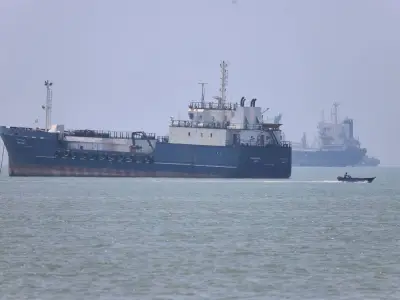
The proposal, brokered by the UN and several Gulf states, aimed to secure the release of at least seven vessels that have been detained by Iranian authorities since early 2026. The ships, mostly oil tankers, were seized as part of ongoing disputes over maritime boundaries and alleged smuggling. Under the plan, the vessels would have been allowed to leave Iranian waters in exchange for the release of Iranian assets frozen abroad.
Iranian Foreign Ministry spokesman Nasser Kanaani stated that the proposal was unacceptable because it did not address what Tehran considers the root causes of the detentions. "The plan does not guarantee our national security interests and fails to hold accountable those who have violated our territorial waters," Kanaani said in a press briefing.

Impact on Global Shipping
The Strait of Hormuz is a vital passage for about 20% of the world's oil supply, with approximately 17 million barrels per day transiting the waterway. The continued detention of vessels has already led to a 5% increase in global oil prices over the past week, according to analysts. Shipping companies are now rerouting vessels, adding days to transit times and increasing costs.
"This rejection could have severe consequences for global energy markets," said Dr. Emily Roberts, a maritime security expert at the Royal United Services Institute. "We are seeing a spike in insurance premiums for tankers operating in the region, and some firms are considering avoiding the strait altogether."
Regional Reactions
Neighboring Gulf states, including Saudi Arabia and the United Arab Emirates, have expressed disappointment with Iran's decision. A joint statement from the Gulf Cooperation Council called on Iran to reconsider and engage in diplomatic talks. Meanwhile, the United States has condemned the rejection, with a State Department spokesperson calling it "a blatant disregard for international maritime law."
Iran, however, remains defiant. The country's Islamic Revolutionary Guard Corps (IRGC) has increased patrols in the area, and military officials have warned against any attempt to forcibly free the ships. "Any act of aggression will be met with a decisive response," warned IRGC commander General Hossein Salami.
Humanitarian Concerns
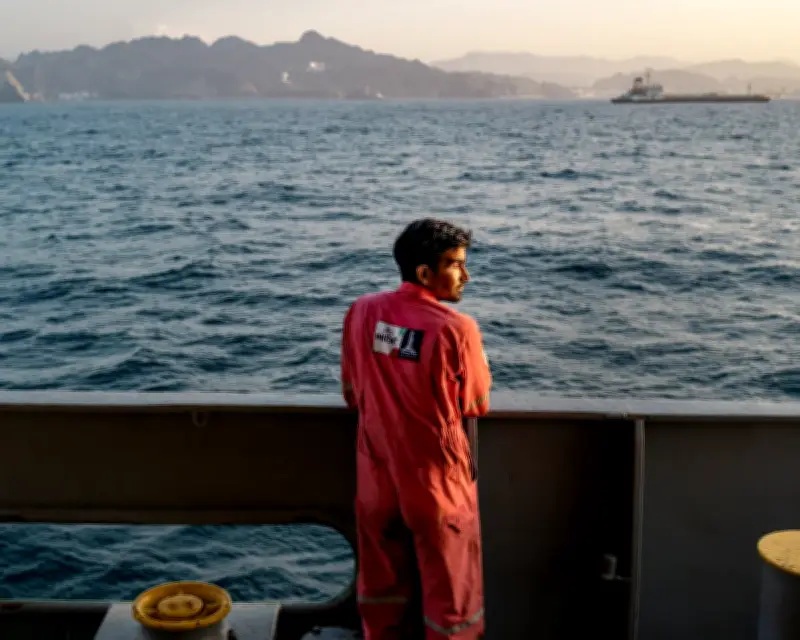
The trapped ships are believed to be carrying crews from various nationalities, including Indian, Filipino, and Ukrainian sailors. Humanitarian organizations have raised concerns about the welfare of these seafarers, who have been stranded for months. The International Maritime Organization has called for their immediate release on humanitarian grounds, but Iran has not allowed independent inspections of the vessels.
As the standoff continues, the risk of a broader conflict in the region grows. Diplomatic efforts are ongoing, but with Iran's firm rejection, a resolution appears distant. The situation remains fluid, and global markets are bracing for further volatility.