The government has confirmed that HS2, the high-speed rail project, will now cost up to £102.7 billion and may not see trains running until 2039, following a 15-month review by the new chief executive. Transport Secretary Heidi Alexander described the original design as a 'massively over-specced folly' and labelled the increase in time and costs as 'obscene'. This development potentially marks HS2 as the wildest white elephant in British history, surpassing even Donald Trump's White House ballroom and Dubai's Burj Khalifa in terms of extravagance and mismanagement.
A History of Failure and Political Cowardice
Alexander, the ninth transport secretary since HS2 was proposed, admitted the project made her angry. However, critics argue that she has been in office for 18 months and could not have been unaware of the escalating costs and delays. The promise of a clear-out and a new management team has been heard before, with little effect. Many believe that the money wasted on HS2 could have been better spent on modernising hospitals, repairing schools, building care homes, and alleviating prison overcrowding.
The project was always a vanity initiative of the David Cameron coalition, according to former Downing Street HS2 expert Andrew Gilligan, who admitted that 'HS2 was certain to fail from the start' due to the wrong route, wrong speed, and wrong termini. The failure to link with HS1 has also been criticised as a major oversight.

The Sunk Cost Fallacy
Successive prime ministers have lacked the courage to halt the project, despite mounting evidence of its futility. Cameron ignored warnings, Boris Johnson funked cancellation, and Rishi Sunak scrapped the Manchester leg, making the project even worse value for money. Civil servants and advisers were overwhelmed by the 30,000-strong HS2 workforce, and the National Audit Office pulled its punches. Even the mayor of Greater Manchester, Andy Burnham, supported HS2 when he should have lobbied for local rail links instead.
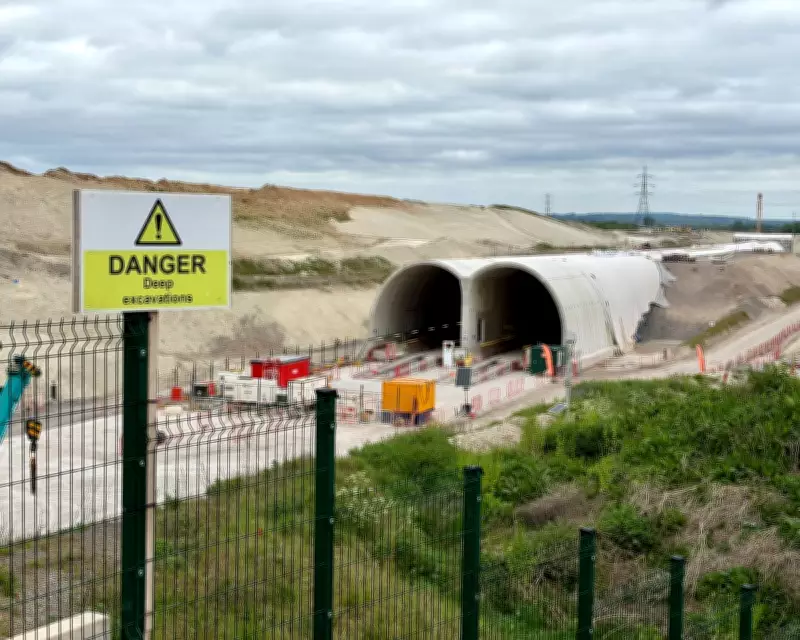
The argument that cancellation would cost more than completion is dismissed as rubbish by critics. With no track laid and only two viaducts reportedly finished out of 52, the project is still in its early stages. Cancellation would free up billions for urban development around London Euston and Birmingham's Curzon Street, as well as space for a new town at the Coleshill interchange.
A Call for Immediate Cancellation
The only reason for not stopping HS2 is the lack of political guts, which is in desperately short supply. Alexander could stand up and announce the cancellation, redirecting funds to far more needed rail investments such as re-signalling, electrification, and urban transit. Britain has just nine tram networks or metros, compared to France's 30 and Germany's 60. At least Leeds should have one. Alternatively, the £7 billion annual budget could be used for new hospitals, schools, care centres, youth clubs, and courtrooms.
Yet the government seems to prioritise getting a few richer citizens from Birmingham to London a few minutes faster—perhaps one day. The time has come to put HS2 out of its misery and invest in projects that truly benefit the nation.