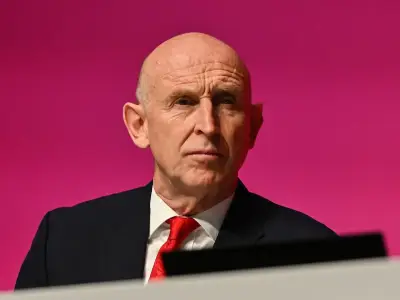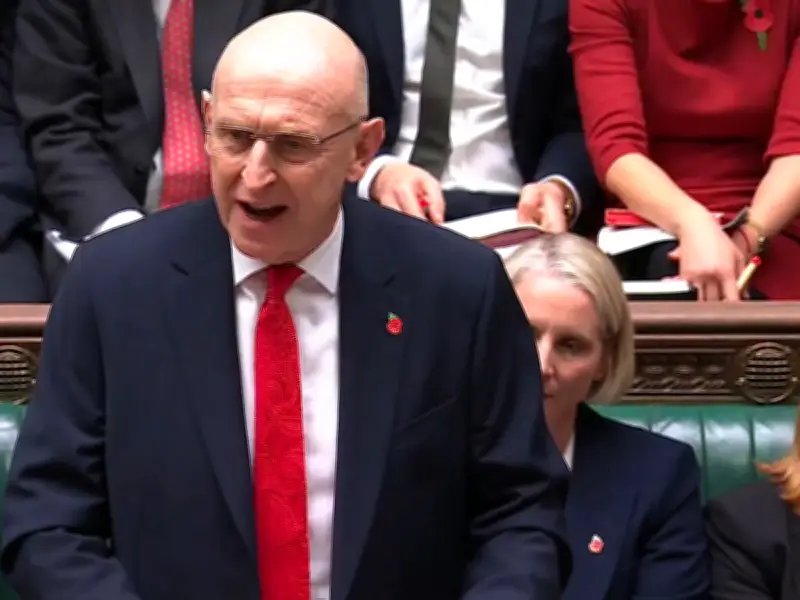
Chancellor John Healey has delivered his first Budget, promising "breathing space" for the public amid economic uncertainty worsened by the upheaval of the Iran war. The statement includes significant changes to energy bills, taxes, and public spending.
Fiscal headroom and energy measures
Mr Healey reduced the Government's fiscal headroom – the cushion above its self-imposed spending rules – to £15 billion in 2029-30, down from the £22 billion Rachel Reeves outlined last year through tax rises. He said it would climb back to that level in 2030-31.
A new "cost control framework" aims to drive down bills. Standing charges on gas bills will be abolished from next year, with fixed costs paid through the unit rate instead. The Treasury said this could save 60% of households an average of £45 a year. Comparable reforms for electricity bills will follow, and a VAT reduction on electricity will be extended to July, removing £50 from the annual price cap.
Energy payments of £100 will go to approximately 20 million households in council tax bands A to D. The green levy funding hydrogen projects – the Gas Shipper Obligation – will be removed from energy bills and transferred to general taxation.
Taxes, fuel duty, and business support
The bank surcharge, currently 3% above the 25% corporation tax rate, will temporarily rise by an additional 3% to help finance energy support. Gambling taxes will increase to fund a high street support package, including a rise in machine games duty from 20% to 25% for higher-stakes machines.
The fuel duty freeze has been extended for a 16th consecutive year at 52p a litre, scrapping a planned rise scheduled for January. A higher tax-free mileage allowance of 55p will be made permanent.
Mr Healey committed a further £20.4 billion to the National Wealth Fund and the British Business Bank. The trade allowance will triple from £1,000 to £3,000, and a new allowance will cover a year's living costs for young entrepreneurs. The British Business Bank will double its commitments to women-led businesses to £200 million. The threshold for small business rates relief for retail, hospitality and leisure businesses will rise from £12,000 to £18,000.
Housing, workers, and pensions
The tax-free cash Isa limit will stay at £20,000, abandoning a proposal to cut it to £12,000. The Lifetime Isa penalty for homes over £450,000 will be abolished, replaced by a new First Time Buyer Isa. The "Your First Home" equity loan scheme will receive £4.7 billion in government-backed lending, and the rough sleeping programme an extra £432 million in England.
The minimum wage for under and over-21s will rise by 3.9%, ending the practice of higher increases for 18-to-20-year-olds. The Carers' Allowance cliff-edge will be scrapped in favour of a taper system. Parental pay will extend to more than 150,000 parents annually, with self-employed fathers and partners eligible for the first time. Pensioners on lower incomes will be protected from income tax through a new allowance for those whose payments rise above the £12,570 threshold.
Defence, Olympics, and devolution
Mr Healey said he would "fully fund" Britain's defence investment plan, Sir Keir Starmer's proposal that promised £15 billion but committed £10.3 billion. Funding will come through measures including "capital reprioritisation across Whitehall". Details on meeting the Nato pledge of 3.5% of GDP on defence by 2035, with an interim target of 3% in 2030, will come at next year's spending review. A new "innovative defence finance taskforce" will be established.
A £7 million fund will explore a potential bid to host the Olympics and Paralympics in the north of England. The Government plans to devolve business rates and a portion of income tax revenue to regions. All business rates will be retained by local administrations by 2030, with a fifth directed to mayors from next year, and from 2028 a proportion of income tax receipts will pass to mayors. Devolved loans totalling £1.5 billion will enable projects such as the Black Country Metro, the reopening of Doncaster Airport, or regeneration schemes in Gateshead.