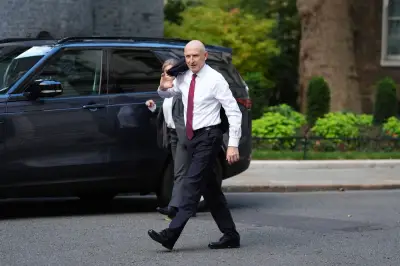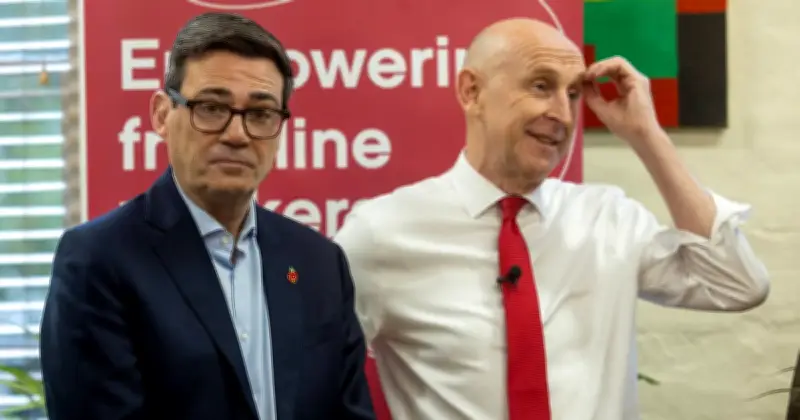
Chancellor John Healey is set to announce State Pension income tax protection for nearly one million pensioners in the Autumn Budget, shielding them from the personal allowance threshold. The measure, first announced by then-Chancellor Rachel Reeves last year, is expected to run until the end of this Parliament.
The full state pension is anticipated to rise by £489 to £13,036 on Wednesday, pushing those who rely solely on the state benefit above the £12,570 personal allowance threshold and into the income tax net. To prevent this, Healey is expected to raise the tax-free allowance for this group to £13,036.
Cost and Concerns
The policy will cost taxpayers £200m a year by 2030, according to calculations by Steve Webb, a partner at pension consultant LCP who served as pensions minister during the Conservative-Liberal Democrat coalition government. Webb warned that the repeated freezing of the personal allowance has dragged more retirees into the tax net, but the proposed solution looks "messy and increasingly expensive."
"The gap between the new state pension and the tax threshold is set to grow every year, which will make the policy hard to switch off. But if it continues, the cost will grow and grow," said Webb.
Future Projections
Despite the tax allowance being frozen for the remainder of this Parliament, the gap between the new state benefit and tax threshold will continue to grow, even if it only rises by the 2.5 per cent minimum guarantee. In the 2027/28 tax year, the state guarantee is expected to rise to £250.70 per week, leaving it £466.40 above the threshold, meaning the scheme would have to ignore £93.28 in tax at the 20 per cent basic rate.
By the 2029/30 financial year, the pension is anticipated to climb to £263.35 per week, equal to £13,694 per year, exceeding the allowance by £1,124.20. This pushes the tax ignored up to £224.84.
Cliff Edge Problem
Webb added that the new tax allowance is set to apply only to those whose income matches the new state pension, meaning those who find themselves with just £1 of taxable income above this level would lose the protection. The Treasury is yet to clarify how the policy will affect those with a "modest" state pension who have accumulated small private pots.
"At present, income tax would be collected through a PAYE tax code on the private pension. In future, would these individuals be taxed first and then have to claim back a tax rebate every year?" said Webb. "If the extra allowance is available only to those on a low income, there could be a growing 'cliff edge' problem where those with very small amounts of private income lose the whole allowance and end up worse off than those with nothing."