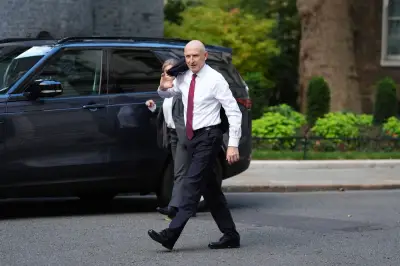
Chancellor John Healey is expected to announce a change to the personal allowance in today's Budget that would prevent the state pension from being dragged into income tax for the first time ever, but the plan may only help around one million pensioners while millions of others could lose out.
Next April, the full new state pension is expected to increase by 3.9% to around £13,036 a year, breaching the personal allowance for the first time. Under existing rules, someone receiving the full new state pension will get £466 more than the personal allowance and face an income tax bill of around £93 a year.
The proposed change and who qualifies
Reports suggest the Chancellor plans to raise the tax-free allowance to around £13,036 for pensioners whose only income is the state pension. The crucial detail is who qualifies. The assumption is that the £13,036 personal allowance will apply only to pensioners with no other sources of income.
Everyone else will lose out, including those with workplace or personal pensions, taxable savings interest, property rental income or earnings from a part-time job. As a result, the measure will only help around one million pensioners out of a total of 13.5 million, at a cost of £200 million a year by 2030.
The Budget should clarify the eligibility rules. It should also set out how the new scheme will work for those receiving additional state pension entitlements.
Estimated savings and the cliff edge risk
Steve Webb, a former pensions minister now at consultancy LCP, estimates the annual tax saving could rise from around £93 next year to around £158 in 2028/29 and £225 in 2029/30, assuming state pension increases of 2.5%. If the state pension rises faster, the savings will be greater.
Insurer Standard Life estimates the cumulative tax saving could reach £770 by April 2031, when the personal allowance freeze is due to end. So the higher personal allowance offers quite a saving, which only makes it more frustrating for those who don't get it.
Critics warn that excluding pensioners with even modest private income could create a cliff edge. Just £1 of income could push you over. Someone who saved throughout their working life might pay tax while a neighbour with no extra savings escapes it. They may feel punished for doing the right thing and providing for themselves.
It could even encourage people to spend their pension pots quickly to qualify for the higher allowance, rather than keeping money for later life. The rules could also make an already complicated state pension even harder to understand.
Impact on older pensioners
Older pensioners on the basic state pension may feel particularly aggrieved. Next year it is expected to be worth around £9,990 a year, far below the personal allowance. But additional payments through the State Second Pension or Serps push many above the threshold, leaving them paying tax.
That could mean older pensioners paying more tax than younger retirees with similar overall incomes. Healey's patch-up job looks a mess even before he has officially announced it. We will find out more today, but the signs are not encouraging.