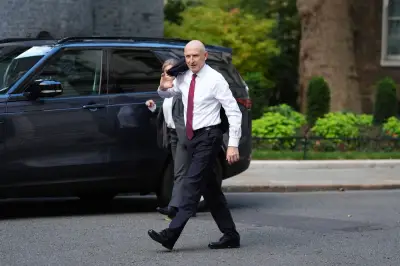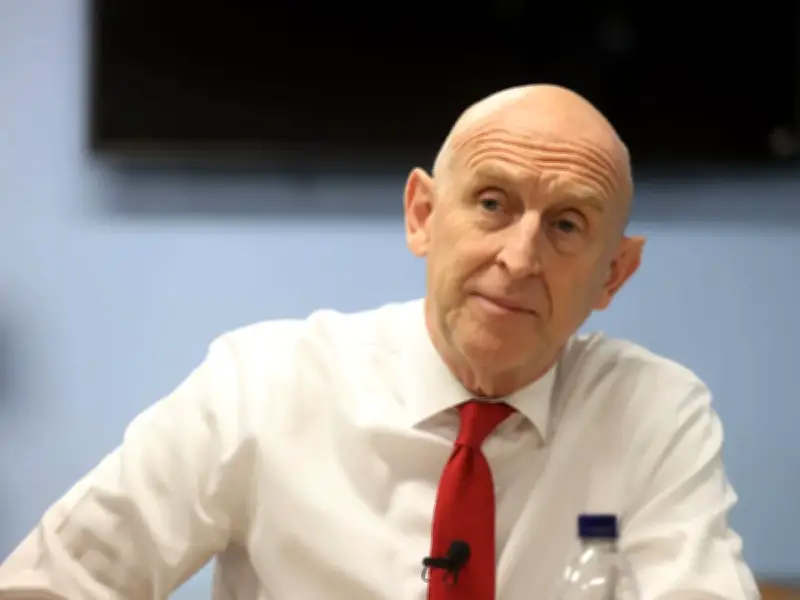
Chancellor John Healey has pledged to use his first Budget to cut energy bills "for good," as the Government seeks to ease surging costs for households and businesses. In a video message before delivering the autumn statement on Wednesday, he promised a freeze in fuel duty and longer-term reforms, focusing on making Britain "more resilient" to global shocks in the wake of the Iran war.
Mr Healey acknowledged the country was facing a "difficult moment" and said changes would be made "responsibly" within Labour's fiscal rules.
Budget aims to ease costs
He said: "Breathing space for today and fresh hope for the future. That's what today's Budget will deliver."
"The world's a highly uncertain place. Conflicts abroad are pushing up energy prices, and the cost of living here at home is piling pressure on families, on businesses, and on our public finances. But Britain's economy is showing real signs of resilience: investments up, productivity is growing and we had the joint fastest growth in the G7 in the first half of this year."
Mr Healey added: "This Budget is designed to give households breathing space from some of the everyday costs, provide targeted support for businesses and self-employed people and to start the long-term action needed to get energy costs down for good."
Expected announcements
Prime Minister Andy Burnham has ordered the Chancellor and Energy Secretary Miatta Fahnbulleh to examine scrapping standing charges from gas bills. According to the Times, the Chancellor will announce plans to scrap green levies from energy bills and put them onto general taxation, as well as committing the Government to delinking gas and electricity prices.
He will have limited scope for big giveaways because of stretched public finances, worsened by international market turmoil caused by the Iran war, and little has been leaked ahead of his statement on Wednesday. Mr Healey is sticking with the fiscal rules set by predecessor Rachel Reeves, requiring day-to-day spending to be financed by taxes rather than borrowing by 2029/30 and that public debt as a share of the economy should fall in the same year.
Changes expected in Wednesday's Budget include:
- Cancelling January's planned increase in fuel duty, keeping the rate of the levy frozen for the 16th year at 52p per litre, as first reported by The Sun.
- Making a higher tax-free mileage allowance of 55p permanent, and slashing tariffs on a range of popular foods including chocolate, beans and gherkins to make them cheaper for shoppers.
- A rise in the minimum wage by nearly 4%, while ending the trend of hiking the national minimum wage for those aged 18 to 20 by more than the rate for older workers, raising it instead roughly in line with the rate for over 21-year-olds, according to reports.
- Ending the Carers' Allowance cliff edge, which has penalised unpaid carers for going over their earnings limit, even by as little as a few pence per week.
Opposition pressure
Opposition critics have pressured the Chancellor to use the Budget to set out a clear path for defence spending to hit 3% of national income by 2030, but he looks set to wait until next year's spending review before announcing this road map. In his message ahead of Wednesday, Mr Healey insisted that "in an uncertain world, we will strengthen national security and our defences, as well as our support for Ukraine".
Shadow chancellor Andrew Griffith said: "Our public finances are on a cliff edge. John Healey must use his Budget to take tough decisions, instead of continuing to kick the can down the road. He must stop maxing out the nation's credit card, tackle the out-of-control welfare bill and address rising global threats."
"If Healey fudges defence spending rather than properly funding 3% by 2030 in his Budget, he must resign. Defence is the first duty of any government, and we cannot leave our armed forces waiting any longer."
The Liberal Democrats warned against a "steady as she goes" Budget and urged the Chancellor to go further by cutting fuel duty and other costs while calling for the UK to rejoin the EU's single market and customs union. Deputy leader Daisy Cooper said: "Families are being squeezed from all sides, businesses face mounting costs, and for many it feels like even the basic joys in life have become unaffordable."
Reform UK's Treasury spokesman Robert Jenrick accused Mr Healey of "fiddling while the economy burns". He said: "Borrowing costs are soaring, national debt has surpassed £3 trillion, and the tax burden is at a record high. We need a break-glass Budget that finally puts the economy back on track."