Glasgow's mounting problems require granting the city more powers, not handing more control to Edinburgh, according to Deputy Political Editor Chris McCall.
City in a bad place
Writing in a personal opinion piece, McCall, who lives in Glasgow and has reported on its politics for over a decade, says the city is not in a good place right now. He rejects both social media sentimentalists and right-wing trolls, insisting the city's problems cannot be ignored any longer.
Coronavirus and repeated lockdowns hit Glasgow hard. While hospitality has recovered to a degree and some neighbourhoods are booming, the rising number of shuttered bars and cafes tells its own story. Entire office blocks lie virtually empty due to homeworking.

Symbols of decline
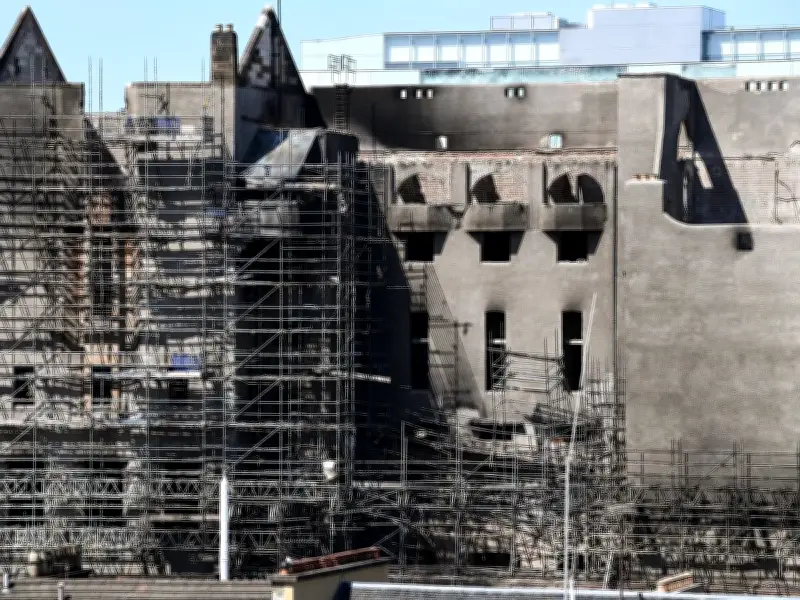
Sauchiehall Street remains a disaster zone with a ruined art school looming over the derelict mess that was once the ABC music venue. The Glasgow School of Art recently admitted it does not have the money to attempt a full restoration, and central government funding looks a long shot.
A recent BBC Scotland Disclosure documentary on the dismal condition of the area around St Enoch prompted fury from SNP apologists, McCall says, but such party point scoring avoids serious debate on how to put the city back on track.
Political choices
McCall argues many of the problems are the result of political decisions or a wider failure of political leadership. He cites the streets around Central station as an open air drug market, city centre residents disrupted by masked-up thugs staging racist rallies, and Glasgow's museums paid for by a cash-strapped council while Edinburgh's galleries receive generous state funding.
He also notes prominent listed buildings are allowed to decay for decades until they collapse or mysteriously burn down. These issues could be solved by robust policing, government intervention, and committed local politicians willing to stand up to party bosses in Edinburgh.
More powers needed
McCall says senior SNP figures in Holyrood cannot hide their disdain for local authorities, and John Swinney now plans to force council mergers through as part of a centralisation drive dressed up as cost-cutting. Glasgow needs more powers, not fewer, he concludes, for the city to flourish.