The Department for Work and Pensions (DWP) has confirmed plans to abolish the Direct Pay system within the Child Maintenance Service (CMS), a move that would introduce new charges for many parents currently using the fee-free route.
Under the proposed reforms, parents who currently pay each other directly at no cost would start paying a 2 per cent charge, while those using the Collect and Pay service would see their fees reduced from 20 per cent to 2 per cent for compliant payments.
What is changing with Direct Pay and Collect and Pay?
Direct Pay, introduced in 2012, allows separated parents to arrange child maintenance payments between themselves once the CMS has calculated the amount owed. The government says this system is not functioning effectively and is unsafe for many parents.
Current data shows that 55 per cent of all CMS arrangements use Direct Pay, while 43 per cent rely on Collect and Pay, where the CMS acts as an intermediary. There are approximately 450,000 Direct Pay arrangements in place, and around 350,000 Collect and Pay arrangements.
The DWP acknowledges that the new system would result in fresh charges for many parents. It states: "The headline for a compliant paying parent is a cut from a 20 per cent charge to 2 per cent. The trade off is that everyone loses the fee-free Direct Pay route, so parents who currently pay each other directly at no cost would start paying the 2 per cent instead."
Why is the government proposing these changes?
The aim of Direct Pay was to motivate parents to collaborate and lessen their dependence on the CMS. However, DWP research published last year found that only 60 per cent of receiving parents got all of the maintenance they were owed, and only 40 per cent said they always got their money on time.
The research also revealed that more than a third of receiving parents did not flag a late or missed payment. Additionally, 71 per cent of receiving parents and 51 per cent of paying parents in Direct Pay said they had experienced domestic abuse at the hands of the other parent.
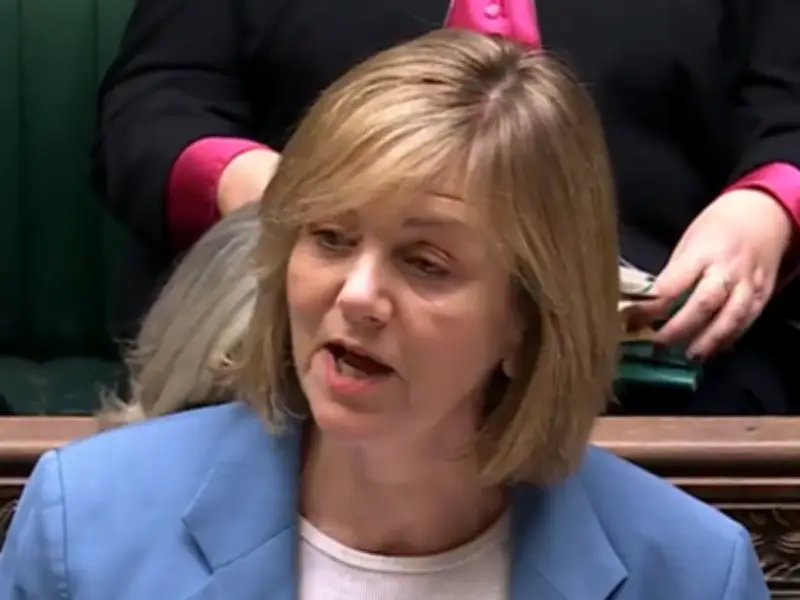
In a response to questions from Edward Morello, Lib Dem MP for West Dorset, Lilian Greenwood, Parliamentary Under-Secretary at the DWP, said: "Evidence gathered by the Department has highlighted significant shortcomings with Direct Pay. Under Direct Pay, the CMS is unable to routinely monitor whether payments are being made in full or on time, meaning non-compliance can go undetected until a parent reports a problem."
She added: "This places the burden on receiving parents to chase payments. The current arrangement can also create opportunities for economic abuse, including situations where maintenance is withheld, paid late or manipulated as a means of exerting control over a former partner."
What are the proposed new charges?
Under the proposed new system, a paying parent using Collect and Pay would see their additional charge drop from 20 per cent to 2 per cent if payments are made on time. The charge would remain at 20 per cent for those who fail to pay on time.
For receiving parents, the current 4 per cent charge would drop to 2 per cent. For example, a paying parent currently paying £100 a week would see their additional CMS charge drop from £20 to £2, provided they pay on time. A receiving parent would receive £98 instead of £96.
Parents paying via a deduction from benefits would not be subject to the 20 per cent non-compliance charge, according to the government.
Reaction to the proposed reforms
The single parents' website Gingerbread has backed the reform, describing it as a 'major shake-up'. However, it said the change must be made 'with extreme care' and warned: "The CMS is in urgent need of reform. Single-parent families need a clear timeline of when the government is going to bring forward the changes it has promised."
The website Both Parents Matter argues the government should retain the Direct Pay system, describing the current proposals as 'deeply flawed'.
Doubts were also raised in the House of Lords Public Services Committee Report on Reforming the Child Maintenance Service last year, which stated: "We are not persuaded by the Government's case for the removal of the Direct Pay service." The report expressed concern that removing Direct Pay without further investment in staffing or CMS resources could result in an already overstretched CMS delivering poorer results.
The government says on the website childmaintenance.org.uk that the primary motivation behind the change is safety. It explains: "Direct Pay relies on the two parents being in contact about money, which can give an abusive parent a way to exert control, or force a victim to chase the person who harmed them. Routing every payment through the CMS removes that direct contact."
The government has announced its intention to scrap Direct Pay, possibly by 2027, although it stresses that for now the existing rules remain in place.