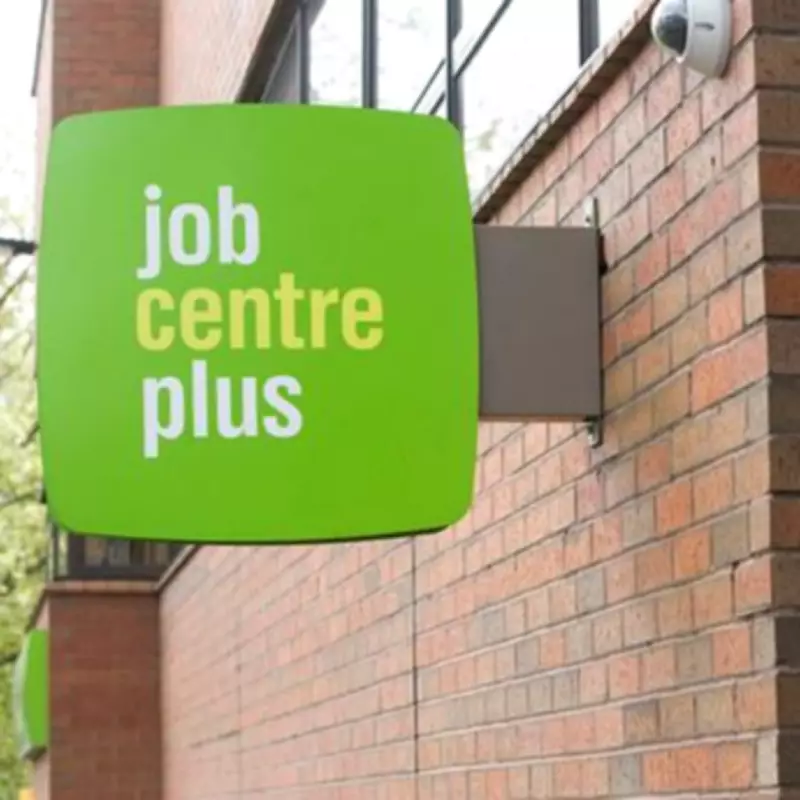
The Department for Work and Pensions (DWP) has issued a warning to all benefit claimants and individuals who may need to access Jobcentre Plus offices in Great Britain during specific days in May. The two bank holiday weekends—Monday, May 4, and Monday, May 25—will disrupt the opening hours of these centres and their phone lines. As a result, claimants may also experience changes to their benefit and state pension payment dates.
Impact of Bank Holidays on Services
Bank holidays are not generally considered working days, even within government departments. Therefore, the long weekends could cause disruption for those needing to contact the DWP or awaiting updates and payments. The DWP confirmed on X that Jobcentre Plus offices and phone lines will operate as usual on Friday, May 1, but will be closed for three days, reopening only on Tuesday, May 5. Even users of online Universal Credit accounts may not receive responses until after the holiday period.
The second May bank holiday later in the month is expected to follow a similar pattern, with offices and phone lines closed entirely on May 25 and reopening on Tuesday, May 26. People are advised to plan ahead if they need to contact the departments during this time.

Changes to Payment Dates
Payments from the DWP scheduled for May 4 and May 25 will not be processed on those days, as most banks will also be closed. Instead, most benefit and state pension recipients expecting payments on these dates will receive them on the first working day before the bank holiday. For those due payments on May 4, this will be Friday, May 1. For those due payments on May 25, the payment will be made on May 22, the DWP has confirmed.
The following benefits will be affected by both bank holidays:
- Universal Credit
- Personal Independence Payment (PIP)
- Child Benefits
- Adult Disability Payment (ADP)
- Attendance Allowance
State pension payments will also be impacted by both holidays. Recipients expecting early payments do not need to take any action, and their payments will return to the usual schedule from June.
Budgeting may become more challenging when payment dates shift, as the same amount of money must stretch over an additional four days before the next usual payment date arrives. This is particularly relevant following the disruption caused by the April bank holidays.