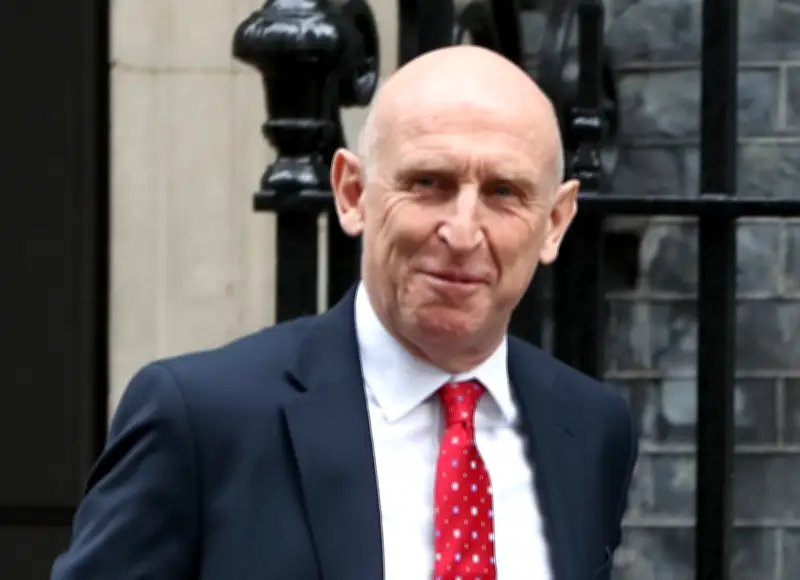
Chancellor John Healey has reportedly ruled out increasing Capital Gains Tax (CGT) in next week's Budget, according to the Financial Times and The Times. The decision offers reassurance to landlords, property investors and owners considering selling second homes.
It follows warnings that higher CGT rates could discourage property sales, delay investment and reduce Treasury revenues. Healey will deliver his first Budget under Prime Minister Andy Burnham on Wednesday 28 October.
He had already dismissed proposals to align CGT with income tax. The latest reports suggest existing rates will remain unchanged.
What It Means for Landlords and Property Investors
CGT applies to profits from selling assets, including buy-to-let properties, second homes and investment properties. Higher-rate taxpayers currently pay 24% CGT on taxable residential property gains. Basic-rate taxpayers generally pay 18%, depending on their income and the size of the gain.
By comparison, the additional rate of income tax reaches 45% in England, Wales and Northern Ireland. Higher CGT rates could affect landlords considering selling rental properties, particularly those with substantial capital gains.
Leaving rates unchanged would remove one potential additional tax burden for property investors. However, the decision does not rule out other property-related tax changes in the Budget.
Warnings Over Falling Tax Revenues
The Treasury has faced warnings that increasing CGT could prove counterproductive. Officials reportedly believe higher rates could encourage investors to delay asset sales or leave the UK. Such behaviour could reduce taxable transactions and government revenue.
HM Revenue & Customs previously estimated that raising the higher CGT rate by 10 percentage points could reduce receipts by £3.6bn in 2028-29. The estimate reflects anticipated changes in taxpayer behaviour.
Business leaders have also warned that higher rates could discourage investment and damage confidence. Lord Jim O’Neill, a former adviser to Burnham and former Goldman Sachs chief economist, opposed an increase. He warned that higher CGT would send the wrong message to businesses.
Labour Divided Over Tax Policy
The decision follows calls from senior Labour figures for higher taxes on capital gains. First secretary of state Louise Haigh previously suggested bringing CGT rates closer to income tax. Defence secretary Wes Streeting also called for a “wealth tax that works” earlier this year.
Other supporters of higher CGT rates include Labour donor Dale Vince, former Labour leader Lord Neil Kinnock and the IPPR think-tank. They argue that the tax system should narrow the gap between rates on investment gains and employment income.
However, Healey has emphasised investment, wealth creation and business confidence.
Property Sector Awaits Wider Budget Measures
Although the reported decision removes the immediate prospect of higher CGT rates, uncertainty remains over the government’s wider tax plans. Healey must balance pressure for additional revenue against concerns about growth, investment and the cost of living.
The chancellor has indicated that his first Budget will take a cautious approach. Reports also suggest he may increase taxes on banks. For landlords and property investors, attention now turns to possible changes affecting property ownership, transactions and investment returns.