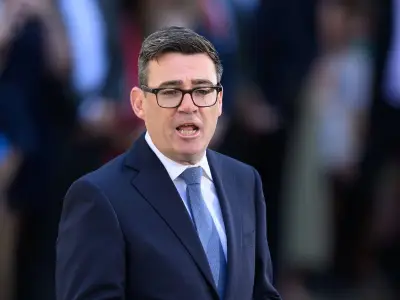
Prime Minister Andy Burnham has announced new technical education pathways for 14-year-olds as part of reforms to tackle youth unemployment. The plans, set to roll out from September 2028, will allow pupils from Year 10 to combine core academic subjects like English and maths with technical education linked to local job opportunities.
No dead ends for young people
Burnham said he wants “no dead ends” for young people leaving education and aims to put technical pathways on an equal footing with traditional academic routes. He described the new routes as “prestigious”, pairing skills training with work experience and connections with local employers.
Unveiling his plans, Burnham stated: “For too long in this country, students have been told that you must take the academic path to do well and to be respected. The whole school system has been built around it and that has let down young people seeking technical qualifications.”

Parity between academic and technical
Burnham emphasised: “I want an education system based on parity between academic and technical which gives all young people a clear path in life. From today, Britain will value the hard hat every bit as much as the graduation cap.”
The announcement comes amid concerns over the number of young people not in education, employment or training (NEET), which now exceeds one million. Burnham said: “Fixing the youth unemployment crisis in Britain will require a shake-up in how we do things – and that’s what this government will do.”
Ofsted changes and local collaboration
The Government will prioritise funding for high-quality technical education and practical routes into work. Ofsted will change how it inspects schools and measures performance, recognising schools that provide high-quality technical education and support young people in developing skills, experience and confidence.
Regional mayors, local leaders, schools, colleges and employers will collaborate to create the new technical pathways, tailored around local industries such as advanced manufacturing, AI, clean energy, life sciences, construction, healthcare or creative industries.
Reactions and criticism
Education Secretary Lucy Powell said: “Every young person should be able to see a route to success, whatever their talents or ambitions. By offering high-quality technical and vocational education alongside academic achievement, we’ll give more young people the chance to leave education with the skills, confidence and opportunities they need to thrive.”
Former health secretary Alan Milburn, who warned in a May report about a “lost generation”, called the reforms “very welcome” and “a big step in the right direction”.
Shadow education secretary Laura Trott criticised the announcements, saying: “The announcements today don’t come anywhere close to undoing the damage Labour has already done to the job market. Labour’s policies are driving youth unemployment to record highs.” She argued the plans are “all over the place”.
Paul Whiteman, General Secretary of the NAHT school leaders union, welcomed the ambition but said schools need “much greater clarity about what it means in practice and over funding”. Pepe Di’Iasio, General Secretary of the Association of School and College Leaders, said the timing “in the middle of the summer holiday” is “unfortunate”.
Connie Muttock, head of policy at the Centre for Young Lives think tank, described the announcement as “an important leap forward towards rebuilding a high achieving, high aspirations, high-quality education system”.