
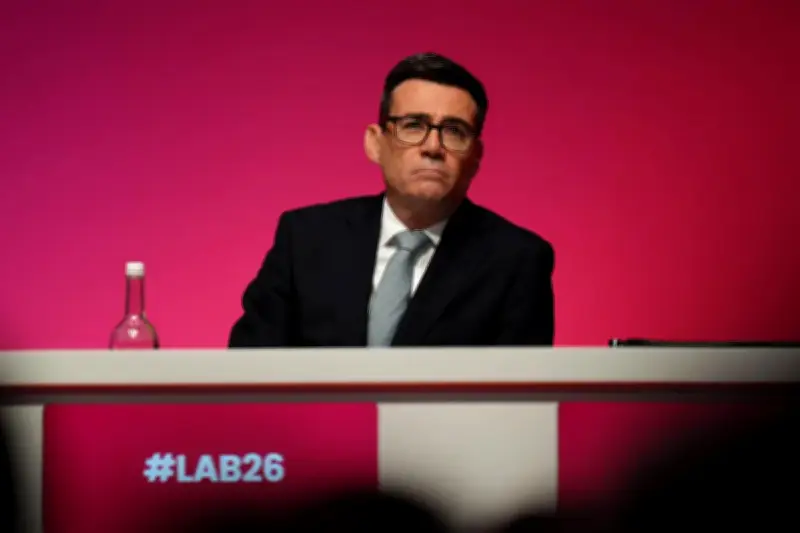
Growing speculation surrounds Andy Burnham's upcoming headline speech at the Labour Party Conference in Liverpool on Tuesday, with commentators divided over how far the Prime Minister will go in calling out the state pension triple lock. He is expected to suggest the policy will be 'reviewed' before the next election manifesto.
Party insiders claim the PM will tell delegates that the triple lock does not work in its current state, while privately admitting that reforming the policy could help fund a long-promised overhaul of England's social care system.
Social care funding pressure
The debate comes as Mr Burnham prepares to outline plans for a new NHS-style national care service, which ministers estimate could cost around £18 billion a year. Yesterday, Labour's deputy leader Lucy Powell refused to say whether the triple lock could be dropped by the party amid discussions over how Andy Burnham's social care plans could be funded.
Ms Powell, who is also the Education Secretary, said the party was committed to the triple lock and mentioned its inclusion in the party's 2024 manifesto.
She told Sky News: "We are committed to the triple lock. It's in our manifesto. The triple lock has really delivered for pensioners, in this country, over the course of this Parliament."
"I think we're going to see (the) state pension rising by about £2,000-a-year significantly, and that's really important, so pensioners watching your show today can know that their income is secure and will continue to rise over the course of this Parliament."
Triple lock costs and potential savings
While Burnham has pledged to honour Labour's manifesto commitment to retain the triple lock during this Parliament, pressure is growing over how the ambitious programme can be paid for in the long term. The triple lock guarantees that the state pension rises each year by whichever is highest: inflation, average earnings growth or 2.5%.
It has been credited with helping protect pensioners' incomes since it was introduced in 2010, but critics argue the policy is becoming increasingly expensive for the Treasury. Former chief secretary Darren Jones suggested reforms may need to be considered if the Government is serious about delivering sweeping social care changes.
Speaking to the BBC, he described the triple-lock as "very expensive in the years ahead" and suggested money currently spent on pension increases could potentially be redirected towards supporting older people through improved social care. Former work and pensions secretary Lord Blunkett has gone further, arguing there is a strong case for ending the policy altogether. He suggested scrapping the triple lock could save as much as £22 billion by 2030.
The intervention is likely to alarm millions of pensioners, particularly after it emerged that next year's state pension increase is expected to be driven by earnings growth of 3.9%, adding almost £500 a year to the full new state pension from April 2027.
Government commitment
Ministers insist no changes are planned during the current Parliament. Health Secretary Wes Streeting has pointed to Labour's election pledge and said the Government remains committed to the triple lock.
But with social care reform back at the top of the political agenda and mounting pressure on the public finances, questions over whether the so-called "gold-plated" guarantee can survive beyond the next election are unlikely to disappear any time soon.




