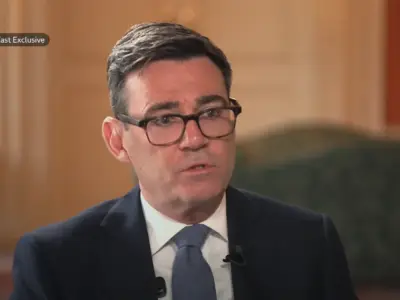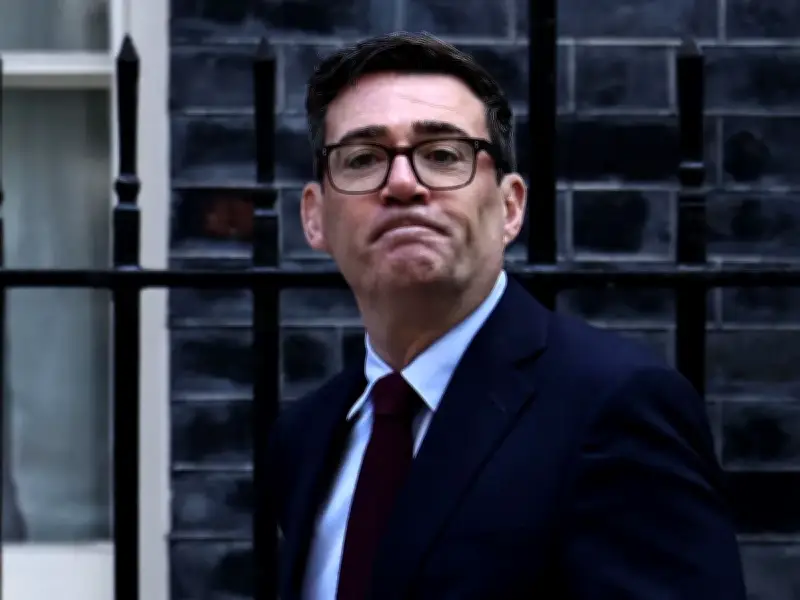
Prime Minister Andy Burnham has appeared to rule out slashing benefits in order to fund extra defence spending. He insisted funding national security "can’t come at the expense of social security," warning Tory plans would cause mass homelessness in Britain.
PMQs challenge over defence funding
His intervention came as he faced a challenge at PMQs from Tory chief Kemi Badenoch over whether the government would reach 3% for defence funding by 2030. But he rejected Conservative plans to fund the target by cutting £4 billion from the welfare state through measures such as reinstating the two-child benefit limit and reforming housing benefit.
He also insisted the Government would honour Nato commitments to reach 3.5% by 2035, with a target for 3% funding to be set out in next year's spending review.

Welfare cuts would create homelessness
Mr Burnham said: "I don’t think myself that taking £4billion out of housing benefit is going to get the right consensus around this issue, because that would create levels of homelessness in this country that we wouldn’t have seen before – hundreds of thousands of children in temporary accommodation.
"We do everything to support our national security, but it can’t come at the expense of social security. Having strong national security also depends upon having resilience in our communities.
"This side of the House will not be forced to choose between the two, and we will set out a plan to get to 3.5% (of GDP spent on defence) by 2035 at the spending review."
Government rejects 'crude cuts'
Downing Street later insisted Mr Burnham was committed to bringing down the welfare bill, but not through "crude cuts". The Prime Minister’s official spokesman said: "He has said before, we’ve got to get serious as a country about getting the welfare bill down." But "that doesn’t mean crude cuts that simply push people into crisis and create bigger costs elsewhere".
Labour scrapped the two-child benefit limit - blamed for trapping hundreds of thousands of kids in poverty - last year after repeated warnings from campaigners. Ex-Chancellor Rachel Reeves announced at her Budget last winter the Tory-era policy, which restricted Universal Credit payments to first two children in a family, would be abolished. She said at the time it would cost around £3 billion-a-year by 2029-30 - but would mean an estimated 450,000 fewer children are in poverty.
Last week in response to Tory plans to overhaul housing benefit as part of the plans to fund defence spending, the Chartered Institute of Housing's Rachael Williamson warned: "Cutting housing benefit by reducing Local Housing Allowance to the 10th percentile risks taking us back to a situation where support bears little relation to the real cost of renting.
"At a time when record numbers of households are already struggling with housing costs, this would almost certainly increase financial hardship and homelessness. Any short-term savings to the welfare bill could quickly be outweighed by higher costs to councils, the NHS and other public services dealing with the consequences of people losing their homes."