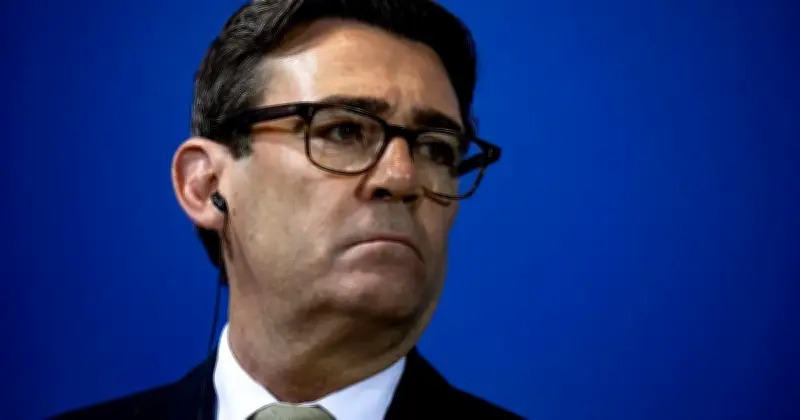
British vets could be barred from giving dogs and cats amantadine, an "essential painkiller" used to treat conditions such as arthritis, under Andy Burnham's EU reset plans. The drug was banned for animal use in the European Union in 2023, and the Prime Minister's UK-EU reset deal will see Britain adopt the same rules from March 1, 2028, as part of a new Common Sanitary and Phytosanitary (SPS) agreement.
Animal welfare experts raise alarm
Animal welfare experts have warned the ban could "threaten the health and wellbeing" of pets across the country. Claire McParland, senior public affairs manager at the RSPCA, said the ban "risks creating damaging barriers to the supply of essential veterinary drugs." She told The Telegraph this could mean "threatening the health and wellbeing of many pets needing specialist treatment."
Dr Hannah Capon, founder of Canine Arthritis Management, added that losing access to the drug would be "a significant blow to the profession and the pets we care for." She said it is commonly used by vets across the country and has shown effectiveness managing chronic pain linked to arthritis, which can otherwise become "severely disabling" and lead to pets being euthanised.
Background on amantadine
Amantadine was originally developed as an antiviral medication to treat humans, but has become a popular off-label source of pain relief for dogs and cats. The UK Health Security Agency (UKHSA) has since recommended against its use to treat flu in humans due to "widespread global resistance."
The painkiller is given orally to pets as a capsule, tablet or liquid. Replacement treatments could include ketamine, which would be harder to administer and may require multiple vet appointments for an IV or injections.
Wider SPS agreement and political reaction
The SPS agreement announced by Mr Burnham at last week's UK-EU summit will more widely end post-Brexit checks and restrictions on food and agricultural products from spring 2028. The Prime Minister also struck deals covering emissions trading and a youth experience scheme with Brussels in what he hailed as a "good day for Britain and for Europe."
MPs will be given a say on the UK's deal with the bloc next month, with a debate on its draft legislation to be held in the Commons on December 7 and a vote expected to follow. Mr Burnham's critics, including Conservative MP Sir Edward Leigh, have accused him of showing "a sincere desire to rejoin the EU and have another referendum" in the concessions.
Tory leader Kemi Badenoch also accused him of "trying to take Britain back to 2015 instead of living in the future." The Prime Minister has rejected the accusations, agreeing that trying to take the UK back into the EU without a referendum "would be unthinkable." The Express has contacted the Government for comment.