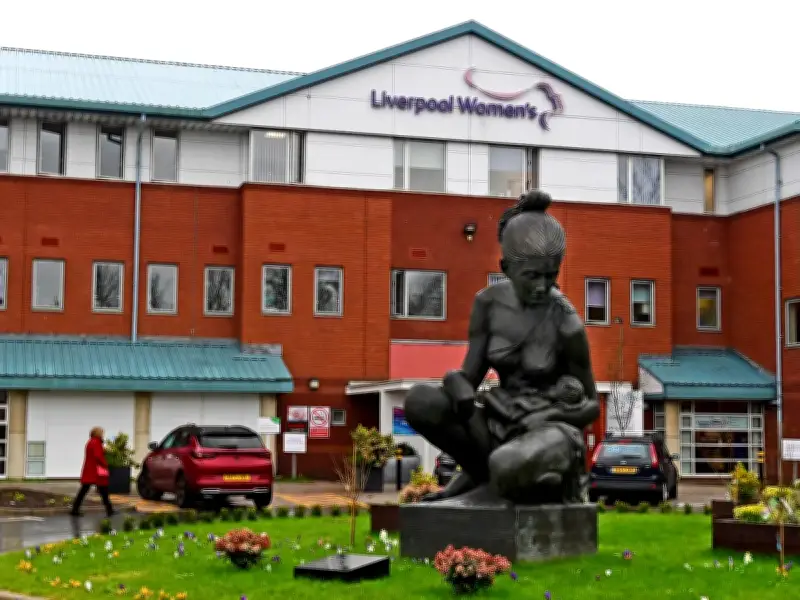
Planned high-risk births would remain at Liverpool Women's Hospital under a proposed shake-up of services, although the long-term desire to move away from the site still exists.
For more than a decade, debate has raged about the delivery of maternity and gynaecology services across the city. NHS bosses believe the safest move would be to co-locate these services on one of the large, acute hospitals like the Royal Liverpool Hospital, and away from the Crown Street building in Toxteth. Liverpool Women's is the only specialist centre for gynaecology and maternity in the country where these services are provided not at an emergency site.
Revised Plan Retains Services at Crown Street
Following a public engagement exercise, in which more than two thirds of respondents backed some movements from the Women's, and the publication of three national healthcare reviews, changes have been made to the controversial relocation plans originally put forward. This includes not moving planned high-risk births away from Crown Street to ensure mother and baby are not separated post delivery.
Dr Peter Hampshire, divisional medical director at Liverpool Women's Hospital, told a meeting of the NHS Cheshire and Merseyside integrated care board (ICB) how a revised plan would still retain the majority of gynaecology, maternity and neonatal services at the Toxteth site, but complex cases would be undertaken at the Royal. Around 100 of these are proposed to be seen in the city centre should the wider plan go ahead.
This would take between 12 to 18 months, with some amendments beginning from next April, dependent on workforce and funding availability.
Public Engagement Shapes Changes
Sir David Henshaw, ICB chair, said: "We are in that situation where we have to make some difficult choices given the availability of long-term funds for building something else but this is very helpful indeed."
Dr Hampshire said it had become clear moving high-risk deliveries would not mitigate all risk and could introduce others. He added: "We got the message from the engagement process that the public wished for as many services to be retained at the Crown Street site as possible where that's safe."
According to an engagement report by consultancy firm Hood & Woolf, more than two thirds were in support of relocation of some procedures, but common concerns included the future of the Women's hospital, whether investment should instead be directed towards the existing hospital, the capacity and suitability of the Royal Liverpool University Hospital, and the potential impact on women, babies and families.
Next Steps and Cost Reductions
The medical director added how the clinical case remained for changes to service delivery. He said: "Even if we achieved full co-location, there would still be clinical risks for women who present, for example, to a site without a co-located maternity hospital. Whatever options we choose there are risks, what we're trying to do is reduce those risks to the minimum that we can while also meeting the ask from government".
Dr Hampshire added while the two-site measure was a "stop-gap" it may need to be in place for "some time." He told the ICB how a targeted enhanced care unit would be introduced at the Women's as part of an amended scheme with additional beds to treat patients more effectively.
The amended scheme would also reduce costs with recurrent revenue brought down from £6.2m to £3.6m and a capital requirement of £500,000, down from £2m. Dr Hampshire said changes would be introduced in stages beginning with the most important.
Work could begin from April to expand the enhanced care unit at Crown Street with a roll-out of enhanced neo-natal cover city wide complete by the beginning of 2028. NHS Cheshire and Merseyside will now consider the findings alongside other evidence, including clinical, operational, financial and equality impact assessments.
The feedback received through the engagement process will form one part of the information used to inform decision-making regarding the proposed changes to complex maternity and gynaecology services in Liverpool. Following consideration of all available evidence, NHS Cheshire and Merseyside will determine whether, and how, it wishes to proceed with the proposed changes.