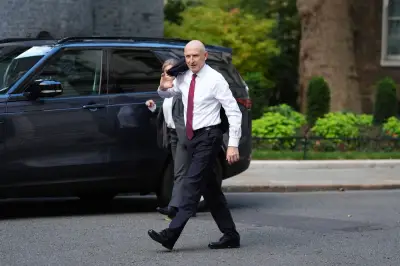
Chancellor John Healey will announce the removal of standing charges from gas bills in today's Budget, saving millions of British families around £45 a year. The measure, to be unveiled in his first economic statement this afternoon, will order Ofgem to ensure the charges are removed next year, or as soon as possible after.
Prime Minister Andy Burnham said: "Abolishing gas standing charges is about basic fairness and giving people more control over their bills. I am determined to reform our broken energy market, so it better serves the public interest."
How the change works
Following the announcement, the fixed £108-a-year charge will be paid on the unit rate, which could save 60% of account-holding households around an average of £45 off their annual bill.
Mr Healey said: "Gas standing charges are unfair and outdated so I am scrapping them to give millions of households a bit of breathing space."
He added: "My Budget will draw a line in the sand on an energy policy that has failed British billpayers for years, letting extra costs on bills pile high and leaving households even more exposed to global shocks."
Current charges and context
Under the current energy price cap, average standing charges by Direct Debit are 54.83p per day for electricity and 29.68p per day for gas, costing on average around £200 a year for electricity and about £108 a year for gas.
Mr Burnham last week announced he had asked Mr Healey and Energy Secretary Miatta Fahnbulleh to look at whether standing charges can be removed from gas bills.
Energy Secretary Miatta Fahnbulleh said: "Too many families face unfair charges, so we're making it easier for people to take control of their energy bills."
She added: "By removing one of the nation's bugbears - taking standing charges off gas bills, with extra support for those who need it - we'll give millions of people breathing space."
Impact on bills
Standing charges do not pay for the energy itself. Ofgem says they are "used to recover the costs required to provide energy company services, including providing and maintaining the wires, pipes and cables that deliver power to a customer’s door, through to the staff and buildings required for the energy business to function".
Families across Britain saw their energy bills rise from the start of October after Ofgem's energy price cap went up by 4%. It means the average yearly gas and electricity bill for a household that pays by direct debit has gone from £1,663 to £1,723, from the start of October to the end of December.
Experts have warned energy bills could further soar by almost another £300 this winter. Cornwall Insight predicts the price cap could hit £1,999 a year this January - up by 16% or £276.
In an effort to help households, the Government has temporarily removed the 5% VAT from electricity bills until March 31 next year to cut around £45 a year. Households are still paying 5% VAT for gas.