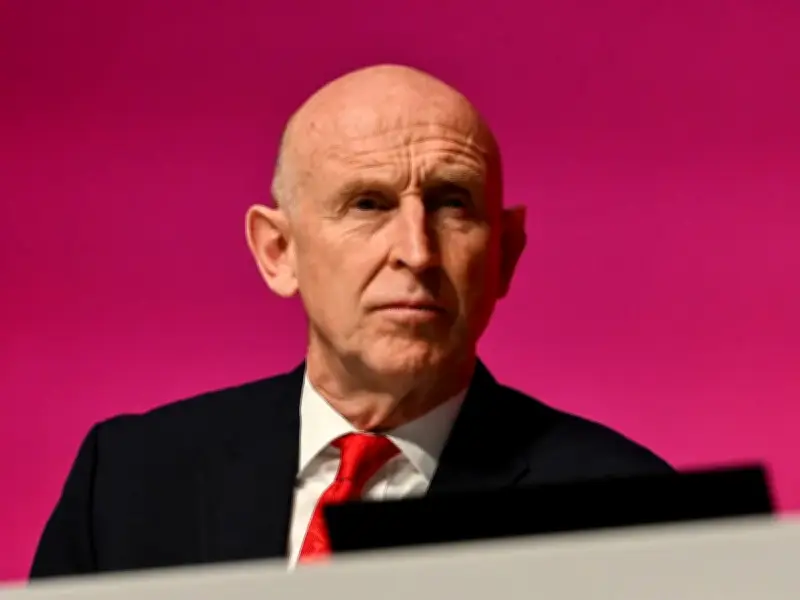
Chancellor John Healey will unveil his first Budget on Wednesday as families continue to struggle with the cost of living. Prime Minister Andy Burnham has vowed to bring "hope" back to Britain, but faces difficult choices as the world continues to feel the impact of conflict in the Middle East.
Healey will present his plans at the despatch box in the Commons from around 12.30pm and has already acknowledged that Britain finds itself in a "tough" position.
Bank Tax and Council Housing
Healey is planning to increase taxes on the bank sector, of which the biggest four collectively made about £15 billion profit in the first six months of this year. Options include reversing a reduction in the surcharge that banks pay on corporation tax, from 8% to 3%, or raising the bank levy - a small percentage charged on loans.
Trade unions and think tanks have repeatedly lobbied for heavier taxation for banks. The Institute for Public Policy Research recommended generating £1 billion from a temporary surcharge on commercial banks' windfall profits, saying the proposals would help rebuild the Chancellor's fiscal buffer, which it estimated has dropped by up to £15 billion since the spring.
Britain is set for a £1 billion boost to council housing, which can deliver up to 10,000 homes in the Budget. The announcement will take the total capital investment in the Social and Affordable Homes Programme to more than £40 billion over the next 10 years. The government also plans to help more councils borrow for housebuilding by extending preferential rates.
Energy Bills and State Pension
The PM moved immediately to offer relief on energy bills, cutting VAT on household electricity bills from 5% to zero, saving a typical household £45 a year. However, with energy bills expected to rise at the start of next year, more support is expected. One option reportedly under consideration is boosting the Warm Home Discount, a £150 reduction on bills for around six million households on means-tested benefits, with another £100 of support.
Earlier this month, Energy Secretary Miatta Fahnbulleh told Energy UK's annual conference in London: "We know we need to do our part to give people a little more breathing space." Elsewhere, the Chancellor told ITV News: "Energy costs are punishing at the moment. We will do what we can in the Budget, both for business and for households, to give people a bit of breathing space."
Healey is expected to announce a rise in the tax-free personal allowance for low-income pensioners in his Budget this Wednesday. The new state pension is set to rise by £489 to £13,036 a year from next April, with official confirmation to be announced in the Budget. This pushes the state pension above the tax-free allowance of £12,570 for the first time.
The government has previously promised that those who only receive the state pension as income will be shielded from paying tax, promising further details in the Budget. The Times reports that this will be done by raising the personal allowance for low-income pensioners to £13,036. This would shield almost one million pensioners from paying income tax. It will then continue to rise in line with increases to the state pension over the course of this parliament, a move expected to cost taxpayers £200 million a year by the end of the decade.
Mayors, Rough Sleeping, and Tax Measures
Mayors and regional leaders are to be handed more money and more powers to help transform communities. The plans will give local officials more flexibility and authority to make investment decisions. The Prime Minister, a former Greater Manchester Mayor, claimed the move would stop local leaders having to go "cap in hand" to Westminster for investment. The Government has allocated an initial £285 million next year, with the move intended to end the reliance on different bidding pots managed from Whitehall.
At the weekend, Burnham announced funding behind his pledge to offer every rough sleeper a bed this Christmas will be doubled at the Budget. No10 said cash to be unveiled at Wednesday's Budget will commit a further £432 million to tackle rough sleeping, boosting total funding to £874 million. It said the funding would help deliver the ambition to offer people a route off the street before Christmas while sustaining support for years to come.
Burnham, who outlined his mission to end rough sleeping during his first speech as PM outside No10, said: "Rough sleeping isn't a fact of life. It's a thing governments either choose to accept or don't. Well I don't accept it. That's why we're doubling funding so that people aren't just offered a safe route off the streets this winter but have that same support right through the rest of this Parliament too."
The Chancellor is not expected to increase Income tax, national insurance or VAT, with no rise being a long-standing Labour manifesto commitment from the 2024 general election. Online giants such as Amazon and eBay could be forced to collect tax from all foreign sellers for the first time under plans to be announced in the Budget. Reports say Healey will close a loophole by cracking down on mainly overseas sellers that abuse lax rules and enforcement to avoid paying VAT on sales. According to The Times, Healey will say that the move will raise £1 billion for the Treasury, which will be used to cut business rates for high street shops.
With oil prices soaring due to the US war with Iran, Healey could freeze fuel duty, saving cash for millions of motorists. Previous Chancellor Rachael Reeves had announced an increase to fuel duty of 3p a litre in January and 2p a litre in March. The Road Haulage Association has called on Healey for a 15p per litre rebate for "essential users of fuel", including HGV drivers, coach drivers, and van drivers.
The Chancellor has also considered expanding Reeves's so-called mansion tax. The policy sees properties worth more than £2 million subjected to an annual levy of between £2,500 and £7,500 from April 2028. The Office for Budget Responsibility calculated that it would raise about £400 million per year, and the Chancellor has drawn up plans to lower the valuation threshold to £1.5 million, a move that would draw an extra 200,000 homes into the scope of the tax. However, Labour MPs believe the plans have been dropped and will not appear in the Budget.
One thing not expected is a hike in capital gains tax, having been ruled out by the Chancellor. Cabinet ministers Wes Streeting and Louise Haigh had previously called for a rise in the tax, which applies to the profit made from selling off assets like a house or shares. Healey ruled out the move after being told it could end up costing the Government money if wealthy people leave the country or defer selling off assets.