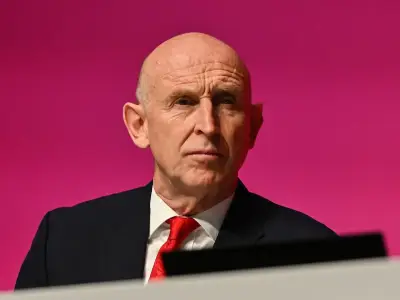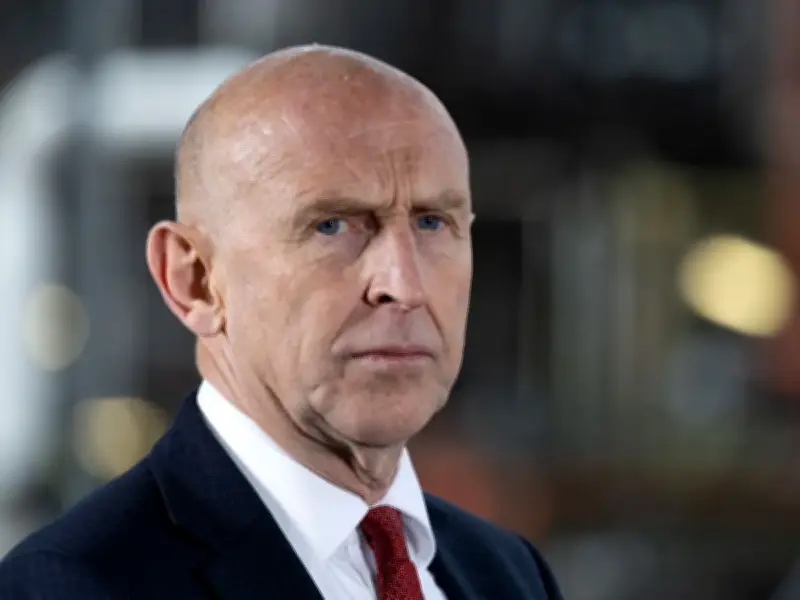
Chancellor John Healey has delivered his first Budget, promising households "breathing space" amid the ongoing cost of living pressures. The measures include a £100 payment for households in certain council tax bands, the removal of gas standing charges on energy bills, an extension of the fuel duty freeze, and a reversal of a planned cut to the ISA savings allowance.
Key measures announced
Pensioners are set to receive a £500 boost to the state pension next year. The government also announced a new pension tax allowance, ensuring that those whose only income is the state pension will not pay income tax on it.
Workers on the minimum wage will see a pay rise, with rates increasing by 3.9 per cent next April.
Who could be worse off
However, not everyone will benefit from the plans. The Budget could lead to higher costs for people who drink and smoke, as duty on these products is set to rise. Gambling firms will also face higher taxes.
An additional two percentage points will be added to income tax on property and savings income. This means taxes will increase to 24 per cent for basic rate taxpayers and 44 per cent for higher rate taxpayers.
Economic context
In his Budget statement, the Chancellor said the UK was being battered by a global economic storm, with the Budget watchdog slashing its forecast for gross domestic product growth next year. The cost of borrowing has soared, and the UK is spending £14 billion more on debt interest this year, Mr Healey said.
The Chancellor told MPs: "Those are the storms we face. We can't wish them away. We must choose the course we steer through them."
Mr Healey said his tax hikes on banks and gambling firms will provide the "breathing space" he promised for households and high street businesses. He said the Office for Budget Responsibility (OBR) had identified the war in the Middle East as the key driver in the economic forecasts.
He promised "to steer us through the global economic storms today, to chart a new course for Britain in the years ahead, to give people fresh hope for Britain's future".