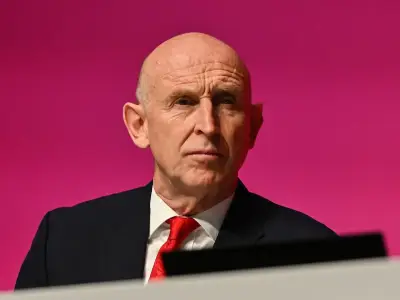
Chancellor John Healey has unveiled a Budget that includes a £100 energy payment for households in council tax bands A to D, protection for low-income pensioners from income tax, and the scrapping of gas standing charges. The announcements aim to give families and businesses "breathing space" from rising costs.
Energy Bill Support and Tax Changes
Mr Healey confirmed a £100 "household energy payment" for people in council tax bands A to D, forecast to help around 20 million households with their energy bills this winter. The money will be paid directly into bank accounts. The scheme, funded by hiking taxes on banks, will cost around £2.6 billion.
Standing charges on gas bills will be scrapped for around 23 million homes from next year. The charges are a fixed daily fee added to bills, regardless of how much gas a customer uses, and cost around £108 per year for a typical household.
Pensioner Tax Protections
The new Pension Tax Allowance shields low-income pensioners whose total income is up to and including the value of the full new State Pension from paying income tax. This prevents the state pension increase from dragging low-income retirees into the tax system due to frozen personal tax thresholds. Those with incomes slightly above the full state pension will see the allowance gradually tapered away.
Malcolm Reynolds, Aptia's UK President, said: "The Chancellor's confirmation that pensioners whose income is no more than the full new State Pension will not pay income tax had been widely anticipated." He added: "However, we are still awaiting details on how the new arrangements will apply to pensioners with small workplace pension savings. Care will be needed to ensure that those with a modest private pension income are not inadvertently left worse off than those who rely solely on the State Pension."
Savings and Fuel Duty
The Starting Rate for Savings remains unchanged at 0% with the Starting Rate Limit frozen at £5,000. However, tax rates on taxable savings interest will rise by two percentage points: basic-rate taxpayers will pay 24%, higher-rate taxpayers 44%, and additional-rate taxpayers 49%. Anyone earning more than £1,000 a year in savings interest will be taxed at 24% on the excess from next April, up from 20%. Higher-rate taxpayers with total income over £50,270 will be taxed at 44% on savings interest above £500.
Mr Healey also confirmed the extension of the 5p cut to fuel duty for a further six months and deferred the Retail Prices Index (RPI) increase to July 1, 2027. Tariffs have been cut on more than 100 everyday products, including baked beans, chocolate-coated wafers, garlic, boiled sweets, plant-based drinks, and throat pastilles, with savings worth up to £21 a year as part of the "everyday fixes package."