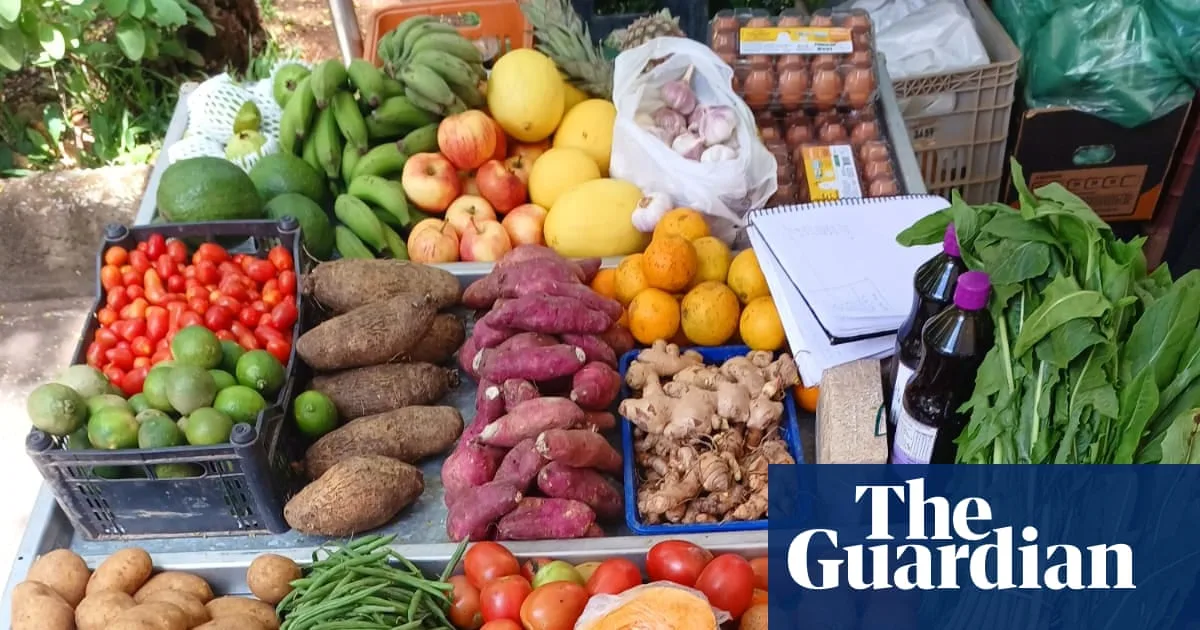
A pioneering scheme in São Paulo state is phasing out ultra-processed foods (UPFs) from hospital menus, replacing them with fresh, locally sourced alternatives. Monthly food fairs, started in October 2023, connect hospital staff—including doctors and nurses—with local farmers to supply organic vegetables, homemade bread, and other artisanal products. The initiative, led by the University of São Paulo, aims to improve patient health and reduce reliance on UPFs, which have been linked to 57,000 premature deaths annually in Brazil.
Weruska Davi Barrios, a hospital nutrition specialist at the university, notes that the fairs allow hospitals to order fresh produce and sample unique plant species from Brazil’s diverse ecosystem, many of which are threatened by rainforest degradation. While hospitals have traditionally used fresh ingredients, UPFs have become common in recent decades despite evidence of their harm. Epidemiologist Ana Duran of the University of Campinas criticizes the use of public health funds to buy UPFs, calling it unacceptable.
Transitioning to fresh foods requires significant investment in hospital kitchens, cold storage, and transport networks. Barrios acknowledges that change is gradual but expects fewer UPFs as local foods become more available. The idea has gained political support: Rio de Janeiro’s health secretary, Daniel Soranz, aims to eliminate processed foods from all city hospitals within eight years, with 30% free of UPFs in two years. A federal bill prohibiting UPFs in hospital meals is also under consideration.
Brazil’s success in reducing UPFs in schools provides a model. Since 2020, restrictions have tightened, with a 2023 law requiring 45% of school funding to go to local farmers and limiting UPFs to 10% of menus by 2026. Some states, like Rio de Janeiro and Ceará, have already banned them entirely. Marluce Fortunato, coordinator of the National School Feeding Program, recalls how schools like EDI Gabriela Mistral have shifted from packaged cookies and chocolate milk to fresh meals.
If implemented nationwide, Brazil’s hospital policy would be a global first, though challenges remain, including opposition from the food industry and logistical hurdles. Nonetheless, the school program’s success offers hope for similar progress in healthcare settings.