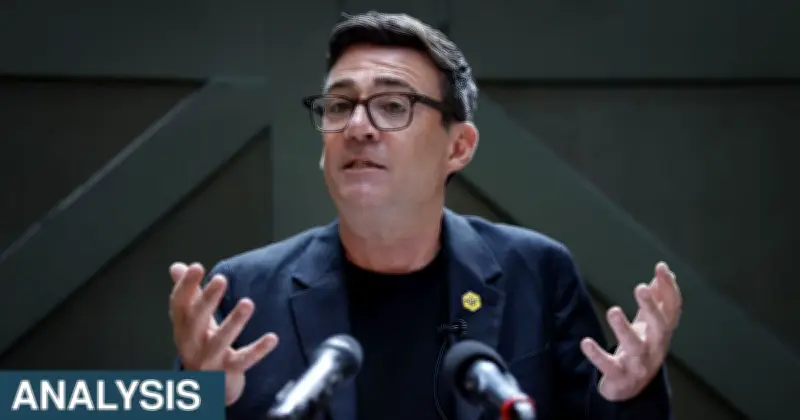
Andy Burnham, set to enter 10 Downing Street within weeks, faces a critical decision on the state pension triple lock ahead of the next election due by 2029. The policy, which ensures the state pension rises annually by the highest of inflation, average earnings, or 2.5%, has sparked fresh debate as economic advisers to the prime minister-in-waiting question its long-term affordability.
Triple Lock Pledge Under Scrutiny
Labour committed in its 2024 general election manifesto to maintain the triple lock until the end of the current parliament. Burnham reaffirmed this pledge during an online question-and-answer session on Reddit last night, stating the commitment still stands. However, questions persist over whether he would keep it beyond that point, with the next election expected by 2029.
Critics argue the triple lock is too expensive and unfair on younger generations. The Office for Budget Responsibility has estimated the annual cost will reach £15.5 billion by 2030, three times more than originally projected. Former Bank of England chief economist Andy Haldane, who is advising Burnham, described the policy as "fiscally unsustainable" in a recent interview. "I don't know when the moment will come politically, and I don't know when the political will can be summoned to tackle this. But I think the vast majority of people would say it does need tackling, and given our strained fiscal times, why not now?" Haldane said.

Advisers and Critics Weigh In
Other advisers to Burnham have also criticized the triple lock. Former Treasury minister Lord O'Neill branded the policy "bonkers," while ex-head of the budget watchdog Richard Hughes called it "one of a series of age-related pressures that pushes public spending upwards steadily over a number of years." Political heavyweights including Labour former Prime Minister Sir Tony Blair and Tory ex-Chancellor Sir Jeremy Hunt have called for the triple lock to be axed. A series of think tanks have also demanded a cheaper alternative.
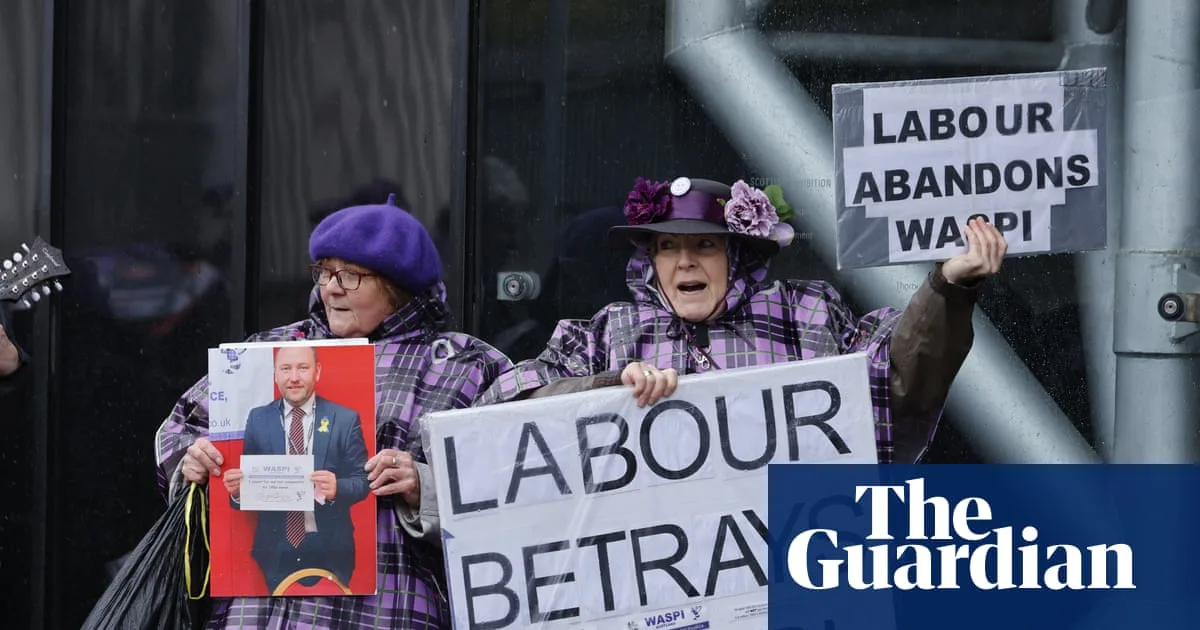
Labour's plan to scrap winter fuel payments for most pensioners after winning power in July 2024 sparked widespread protests, with warnings that some older people would have to choose between heating and eating after losing up to £300 a year. The government was forced into a damaging U-turn after months of cross-party opposition. Burnham faces a similar battle if he looks to change the triple lock.
Public Support and Potential Alternatives
Despite criticism, polling suggests strong public support for the triple lock. A YouGov survey earlier this year found that two-thirds of respondents said it should stay. Supporters insist it is a lifeline for poorer pensioners who might otherwise have to choose between heating and eating. Reform UK has already promised to maintain the policy if it wins the next election, while Kemi Badenoch's Tories and the Liberal Democrats also support it, though the Tories have yet to confirm a manifesto commitment.
If the triple lock were ditched, possible alternatives include a double lock, which would remove the 2.5% minimum rise, leaving the pension to rise by inflation or average earnings. Another proposal is a "smoothed earnings link," tying payments to wage growth with a temporary cash boost during high inflation. With the next election up to three years away, Burnham must decide whether Labour's manifesto will commit to keeping the triple lock or replacing it.