Airlines across the globe are grappling with a severe jet fuel crisis, leading to widespread flight cancellations and fare increases. The cost of jet fuel has skyrocketed from approximately $85-$90 per barrel to $150-$200 per barrel in recent weeks, driven by the escalating conflict between the U.S.-Israeli forces and Iran. This surge represents a substantial financial burden for carriers, as fuel can constitute up to a quarter of their operating expenses.
Impact on British Passengers
So far, the impact on British passengers has been limited. Airlines UK, representing major carriers, stated that airlines continue to operate normally and are not experiencing issues with jet fuel supply. The British government has asked UK refineries to maximize jet fuel supply as it prepares for various contingencies to enhance supply flexibility.
European Commission Measures
The European Commission proposed a series of measures to address the impact on the region's energy markets from the conflict. The measures, announced in a package called 'AccelerateEU', include optimizing the distribution of jet fuel between EU countries to avoid shortages.

Airlines' Responses
Below is a list of how airlines are responding, in alphabetical order:
Aegean Airlines
The Greek airline expects suspended Middle East flights and a spike in fuel prices to have a notable impact on its first-quarter results.
AirAsia X
The Malaysian airline cut 10% of flights across the group and introduced a fuel surcharge of about 20%.
Air Canada
Canada's largest carrier plans to trim four of its 38 daily flights to New York due to higher fuel prices, effective June 1 to October 25, 2026.
Air France-KLM
The airline group plans to increase long-haul ticket prices by 50 euros ($58) per round trip. KLM said it would cancel 160 flights in Europe in the coming month.
Air India
The Indian carrier revised its fuel surcharge from a flat domestic surcharge to a distance-based grid.
Air New Zealand
The airline slashed flights through May and June and hiked fares, suspending its full-year earnings forecast due to fuel market volatility.
Air Transat
The Canadian airline reduced planned capacity by 6% from May to October, with cuts on routes to Europe and the Caribbean.
Akasa Air
India's Akasa Air introduced a fuel surcharge ranging between 199 and 1,300 Indian rupees ($2 to $14) on domestic and international flights.
Alaska Air
The U.S. airline increased fees for checked bags and withdrew its full-year profit forecast.
American Airlines
The U.S. carrier hiked checked baggage fees and trimmed certain benefits for economy passengers.
Asiana Airlines
The South Korean airline slashed 22 flights between April and July due to fuel cost increases.
Cathay Pacific
The Hong Kong airline cut about 2% of its scheduled passenger flights from mid-May to end of June and hiked fuel surcharge by 34%.
Cebu Air
The Philippines-based airline said it would continue to review its pricing and network strategies to mitigate the impact.
China Eastern Airlines
The airline raised fuel surcharges for domestic flights from April 5.
Delta Air Lines
Delta cut capacity by around 3.5 percentage points and raised fees for checked bags.
EasyJet
EasyJet Holidays assured customers no surcharges would be added to flights or package holidays, but CEO warned of higher ticket prices later in summer.
Frontier Airlines
The U.S. airline is reviewing its full-year forecast due to increased fuel prices.
Greater Bay Airlines
The Hong Kong-based company raised fuel surcharges on most routes from April 1.
Hong Kong Airlines
The airline raised fuel surcharges by up to 35% from March 12.
IAG (British Airways)
IAG, which owns British Airways, Aer Lingus and Iberia, is considering pricing adjustments to reflect higher fuel costs. However, The Independent's Simon Calder reassured customers that BA will not come after them for more cash.
IndiGo
India's biggest airline introduced fuel charges on domestic and international flights and is lobbying the government to cut fuel taxes.

Jet2
Britain's biggest holiday company vowed not to surcharge summer holidaymakers due to rising jet fuel costs.
JetBlue Airways
The U.S. low-cost carrier increased fees for optional services such as checked baggage.
Korean Air
The South Korean carrier entered emergency management mode from April and plans phased response measures.
Lufthansa
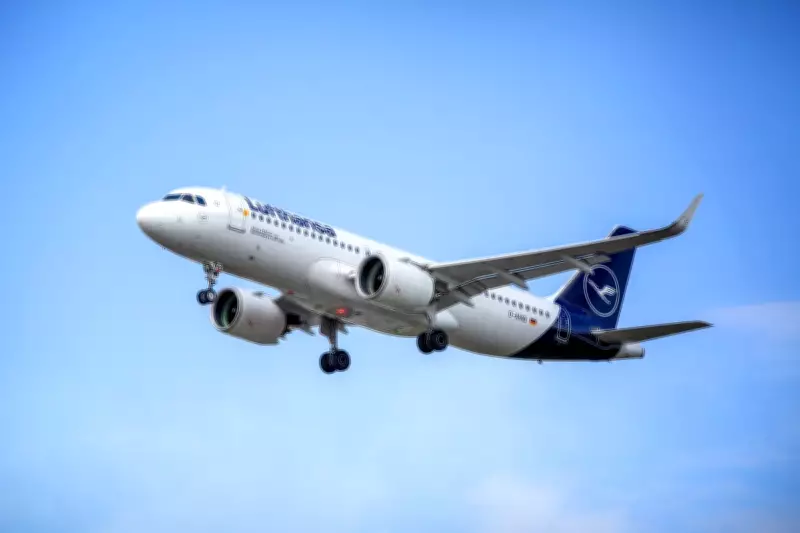
Lufthansa Group cancelled 20,000 flights over the next six months to save jet fuel, which had doubled in price.
Nigerian Airlines
Nigerian airlines temporarily suspended a planned shutdown after government intervention, but warned of unsustainable fuel prices.
Norse Atlantic
The low-cost Norwegian airline cancelled its London Gatwick to Los Angeles route due to fuel price rise.
Pakistan International Airlines
The carrier raised domestic flight fares by $20 and international fares by up to $100.
Qantas Airways
Australia's Qantas delayed a planned buyback and raised its estimated fuel bill.
Ryanair
CEO Michael O'Leary warned that several European airlines could face difficulties if fuel prices remain high, but Ryanair is best insulated and will not impose surcharges.
SAS
The Scandinavian airline cancelled 1,000 flights in April due to high oil and jet fuel prices.
Spirit Airlines
The U.S. low-cost carrier asked the Trump administration for emergency funding to offset rising fuel prices.
Spring Airlines
The budget Chinese airline raised fuel surcharges on domestic flights from April 5.
Southwest Airlines
The American carrier forecast second-quarter profit below estimates and hiked checked baggage fees.
TAP
The Portuguese airline said its price hikes would partially mitigate the impact of fuel price changes.
Thai Airways
The Thailand-based carrier raised fares by 10% to 15% to address rising fuel costs.
TUI
Europe's largest tour operator reassured customers that holiday prices are fixed with no fuel surcharges added.
SunExpress
The joint venture between Turkish Airlines and Lufthansa imposed a temporary fuel surcharge of 10 euros per passenger from May 1.
T'Way Air
The South Korean low-cost carrier planned to furlough some cabin crew without pay in May and June.
United Airlines
CEO Scott Kirby said ticket prices may need to rise by 15 to 20 per cent to offset jet fuel cost surge. The carrier also cut unprofitable flights and increased baggage fees.
Vietjet
The Vietnamese budget airline adjusted flight frequency on selected routes due to potential fuel shortages.
Vietnam Airlines
The carrier plans to cancel 23 flights per week across domestic routes from April, requesting government assistance to remove an environmental tax on jet fuel.
Virgin Atlantic
The airline added fuel surcharges to fares but will still struggle to return to profitability.
Virgin Australia
The airline expected an increase in jet fuel cost of around A$30m-A$40m for the second half of the fiscal year and reduced capacity.
Volotea
The Spanish low-cost airline introduced a new pricing policy linking ticket prices to fuel costs, potentially adding a post-purchase surcharge.
WestJet
The Canadian airline cut seat capacity for June and added a C$60 fuel surcharge to some bookings.