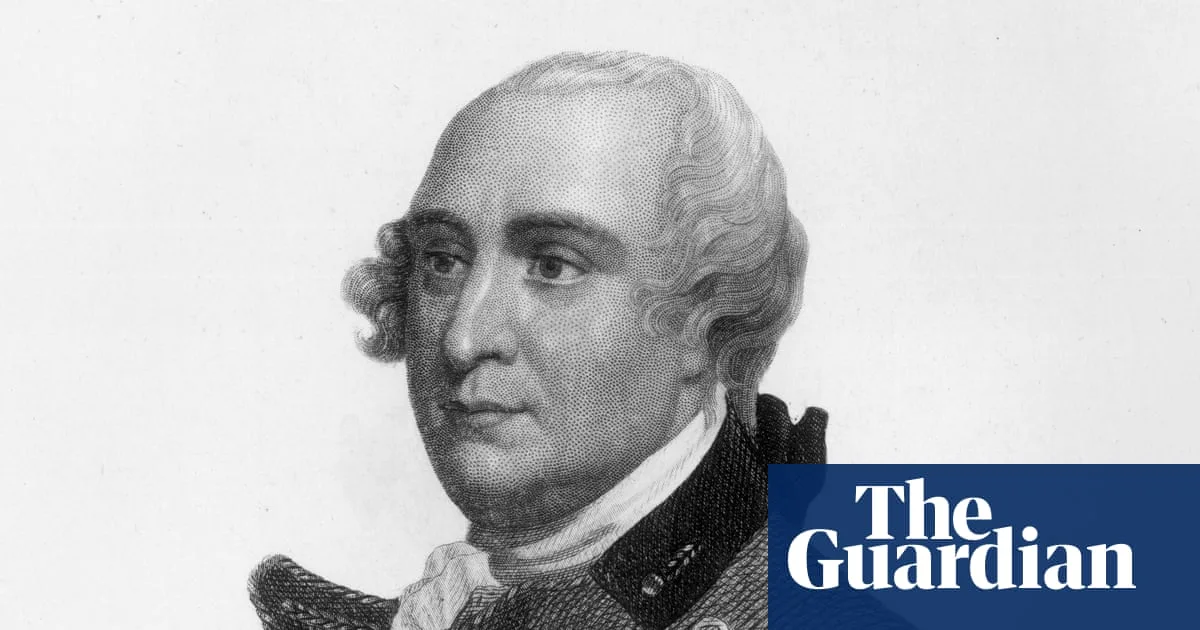
The Battle of Trois-Rivières, fought in June 1776 during the American invasion of Canada, offers enduring lessons about the risks of foreign military engagements. Despite outnumbering the British, American forces under General William Thompson were thwarted by difficult terrain and faulty intelligence.
Heavy spring rains had turned the area into a marsh, and a local farmer, Antoine Gautier, deliberately misled the Americans into swampy ground, causing hours of delay. Their crossing of the Saint Lawrence River was spotted, eliminating any element of surprise.
As the Americans struggled through mud and waist-deep water, British troops and ships under Governor Sir Guy Carleton mounted a counterattack. The sloop HMS Martin fired grapeshot at the emerging troops, while other units faced entrenched infantry. Although casualties were light, the British cut off their retreat, leading to the capture of many soldiers, including General Thompson.

The failed campaign underscores the dangers of entering foreign wars with inadequate knowledge of local conditions. Two and a half centuries later, the lesson remains relevant: faulty information about the ground can lead to disastrous entanglements.