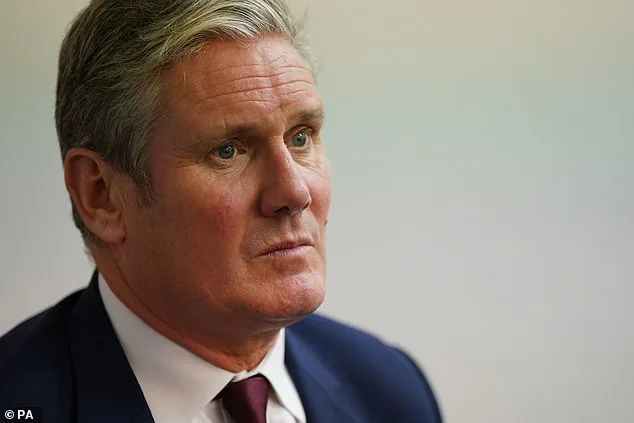
Why Does Everyone Hate Keir Starmer? Unpacking the UK's Political Divide
Why Everyone Hates Keir Starmer: UK Political Divide

The question of why so many people seem to dislike Keir Starmer, the leader of the UK's Labour Party, has become a recurring theme in British political discourse. A recent podcast from The Guardian's Australian edition delves into this phenomenon, exploring the factors that have contributed to Starmer's unpopularity across the political spectrum.

The Rise and Fall of Popularity

When Keir Starmer took over the Labour leadership in April 2020, he was seen as a safe pair of hands, a former Director of Public Prosecutions who could restore credibility after the Jeremy Corbyn era. However, his approval ratings have since plummeted. According to recent polls, Starmer's net favourability is deeply negative, with even Labour voters expressing dissatisfaction.

Policy Shifts and U-Turns

One major criticism is Starmer's perceived lack of clear ideological direction. He has been accused of abandoning key promises made during his leadership campaign, such as maintaining free movement of people and nationalising key industries. These U-turns have alienated the party's left wing, while failing to win over centrist voters who view him as indecisive.

Wide Pickt banner — collaborative shopping lists app for Telegram, phone mockup with grocery list
  • Brexit stance: Initially advocating for a second referendum, Starmer now rules out rejoining the EU, angering Remainers.
  • Economic policy: His cautious approach to taxation and spending has disappointed those seeking a bold socialist agenda.
  • Internal party conflicts: The suspension of Jeremy Corbyn and ongoing factional battles have damaged party unity.

Leadership Style and Public Perception

Starmer's leadership style is often described as managerial and technocratic, lacking the charisma of predecessors like Tony Blair or the firebrand energy of Corbyn. His performances at Prime Minister's Questions have been criticised as wooden, and his communication strategy fails to connect with everyday voters. The podcast highlights how his cautiousness and tendency to avoid direct answers have created an image of inauthenticity.

Comparisons to Other Leaders

In contrast to Boris Johnson's populist appeal or Rishi Sunak's calm professionalism, Starmer appears trapped between identities. He is neither convincingly radical nor consistently centrist, leading to a perception of weakness. This has been exploited by the Conservative Party, which paints him as an opportunist without principles.

The Broader Political Context

The animosity towards Starmer also reflects deeper divisions in British society. The legacy of Brexit, the cost-of-living crisis, and the erosion of trust in institutions have created a volatile political landscape. Voters are increasingly polarised, and Starmer's attempts to appeal to both sides have satisfied neither. The podcast suggests that his unpopularity is not just personal but symptomatic of a fractured political system.

What This Means for Labour

With a general election looming, Labour's chances of returning to power depend on Starmer's ability to reverse his fortunes. However, the current trajectory suggests that unless he can articulate a compelling vision and rebuild trust, the party may face another defeat. The podcast concludes that the question of why everyone hates Keir Starmer is less about his individual failings and more about the challenges of leading a divided party in a divided country.

In summary, the widespread dislike for Keir Starmer stems from a combination of policy reversals, a lacklustre leadership style, and the broader political environment. Whether he can overcome these obstacles remains to be seen, but the podcast makes clear that the path to redemption is steep.

Pickt after-article banner — collaborative shopping lists app with family illustration




