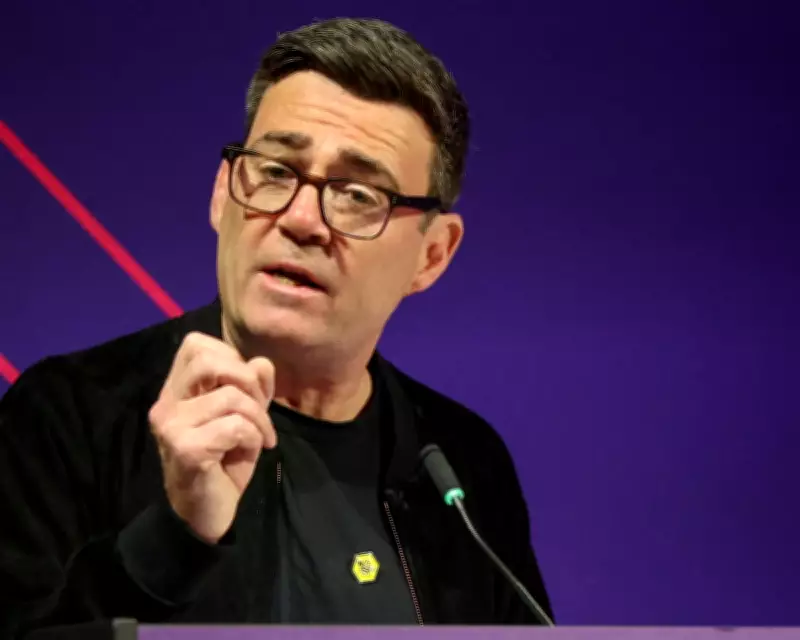
In a series of letters responding to recent coverage, correspondents debate the role of progressive voters in the upcoming Makerfield byelection, with a focus on Greater Manchester mayor Andy Burnham.
Burnham as a Unifying Figure
Dr Craig Reeves of Birkbeck, University of London, argues that Burnham is the most popular Labour politician among the general public and the only one more popular than Nigel Farage. He notes that Burnham has the highest net favourability across all demographics, regions, and nations of the UK, except among 18- to 24-year-olds who prefer Green candidate Zack Polanski. Reeves contends that Burnham is the best chance to prevent a Reform UK government and has openly engaged with the idea of a progressive alliance with the Greens. He suggests that the Greens not running an all-out campaign against Burnham in Makerfield would be a sensible start.
Conditional Support for Electoral Reform
Steve Williams from Godalming, Surrey, agrees that there is a strong case for Greens to offer conditional and critical support for Burnham, provided he commits to introducing proportional representation. Williams argues that this is the only way to secure democratic legitimacy in a multi-party system and to stop the rise of Reform UK. He acknowledges the discomfort of tactical voting but sees it as a means to end the scourge of tactical voting in the long term.

Scepticism Over Environmental Credentials
Rosalind Brown-Grant from Manchester expresses scepticism about Burnham's environmental record. She points to the abandoned clean air zone in Greater Manchester, which wasted millions on signs and cameras. She also criticises the lack of progress on cycling infrastructure under cycling tsar Chris Boardman and the promotion of unsustainable skyscraper housing by Burnham and the Labour-run Manchester city council.
These letters reflect a broader debate within progressive circles about the best strategy to counter the rise of Reform UK and the role of tactical voting in achieving long-term political reform.