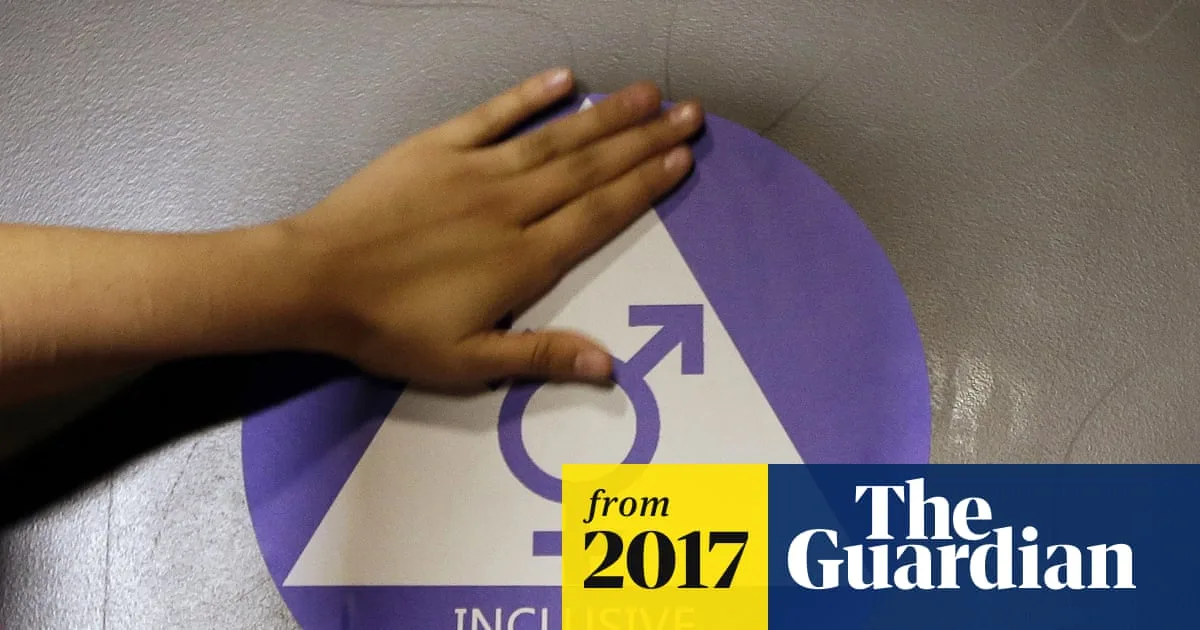
The Trump administration has withdrawn federal guidance that required schools to allow transgender students to use bathrooms and locker rooms matching their gender identity. The move signals a shift in interpretation of federal civil rights protections, which the Obama administration had argued prohibited discrimination based on gender identity.
In a joint letter, the departments of justice and education cited ongoing legal battles and the need to consider state and local control over education policy. However, the letter retained a recognition that schools have a responsibility to prevent bullying and harassment of transgender students.
LGBT rights groups condemned the decision, with Mara Keisling of the National Center for Transgender Equality calling it a "mean-spirited attack" that could endanger vulnerable youth. Opponents argue that existing federal law still protects transgender students, a view supported by several federal appeals courts.

The rescission comes ahead of a Supreme Court case involving Gavin Grimm, a Virginia student who claims his school discriminated against him by barring him from the boys' bathroom. The ACLU, representing Grimm, expressed confidence that the law remains on his side.
Attorney General Jeff Sessions reportedly pushed for the change over objections from Education Secretary Betsy DeVos, who sought to preserve anti-bullying protections. More than 20 states had challenged the original guidance, which was blocked by a federal judge last year.