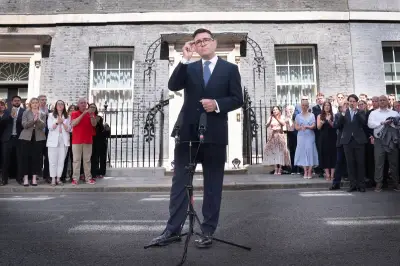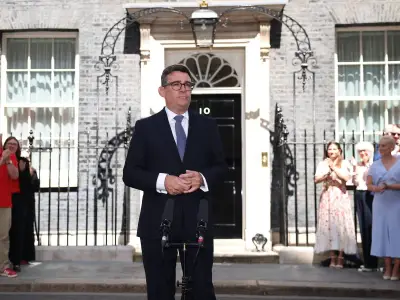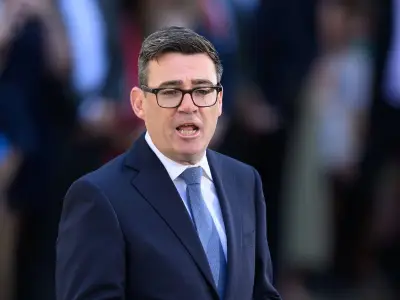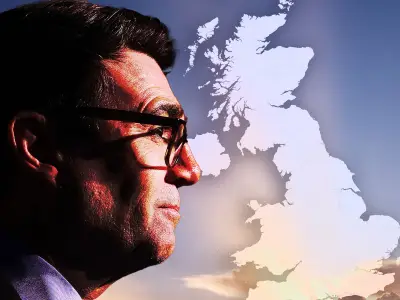
Andy Burnham has announced that regional mayors will be given a leading role in the UK's economic policy, describing the opening of No 10 North as "the biggest rebalancing of power our country has seen".
Revival of the national economic council
The prime minister has revived the national economic council (NEC), first established by Gordon Brown during the 2008 financial crash, arguing that economic growth requires the same urgency, focus and collective action. In an article for the Guardian, Burnham wrote: "When I entered Downing Street, I told staff that the era of fighting devolution is over. No one in government loses when power is shared."
Burnham will chair the inaugural meeting of the council on Friday, bringing together senior ministers and regional mayors to place devolution at the heart of his government's mission.

Shifting power from London
Burnham wrote: "Even though Whitehall departments have set up outposts, decision-making power has remained in London … This is what No 10 North is seeking to correct and, if we succeed, it could bring the much-needed sea change in the way Britain is run." He added: "It is about driving growth from the most powerful office in the land and doing so in close alignment with the Treasury. It is about taking power down and placing it in the hands of people who can use it best."
As he becomes the first British leader to run the government on a weekly basis from Manchester, Burnham faces calls to prove the operation is not tokenistic. Earlier this week, he created a powerful new prime minister's department incorporating parts of the Cabinet Office, Treasury and housing ministry to become the "dominant driver of the UK's economy" – an apparent tension with the No 10 North plan.
New office structure
In one of his first acts, Burnham established the Office for the Prime Minister and the Cabinet, led by his ally and enforcer Louise Haigh, which will oversee No 10 North in Manchester, the No 10 operation in London, and parts of the Cabinet Office. Haigh, along with education secretary Lucy Powell and communities secretary Angela Rayner – who both hold Greater Manchester seats – plan to spend some of their time working from No 10 North, while teams of civil servants are expected to relocate there.
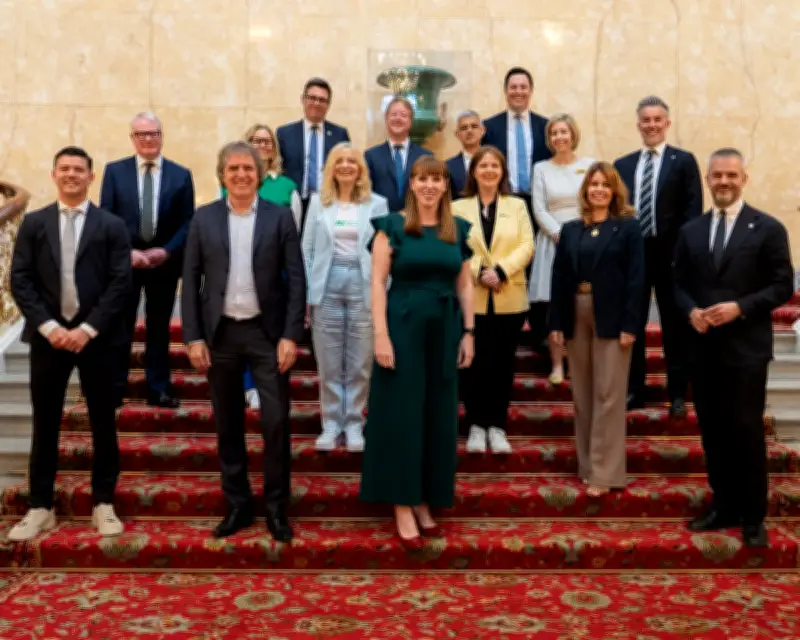
With regional mayors invited to sit round the table, Downing Street argues that devolution will be cemented at the centre of economic decision-making, maintaining the prime minister's pledge that decisions will be taken with local leaders, not just for them.
Operational details
Operating from Heron House in Manchester's city centre, the home of GCHQ in the north-west, No 10 North aims to bring together the levers of local economic growth and devolution under one roof for the first time, working from a single plan rather than competing ones. Burnham is expected to work from No 10 North each week so that decisions about the country's economic future will no longer be made exclusively in Westminster, with other ministers also working regularly from the building.
Dave Penman, general secretary of the FDA union representing senior civil servants, welcomed the changes but cautioned that relocation was a big decision for staff. At least seven Greater Manchester Combined Authority employees, including Burnham's deputy chief of staff Caroline Simpson and longstanding aide Kevin Lee, are already moving into the temporary building, while a brownfield site is developed. The Heron House office will be led by Sam Lister, a senior civil servant who has worked across several departments.
NEC composition and history
The NEC's attendees will change at each meeting depending on the issues under consideration, bringing together business leaders, trade unions and other partners where their expertise can help drive decision-making. Under Gordon Brown, the body met twice a week and acted as the focus of his government's effort to stave off recession, the global financial crisis and volatile prices, although there were concerns at the time that it could clip the wings of the Treasury. The new committee was quickly described as an economic version of the Cobra emergency committee, including key figures such as then chancellor Alistair Darling and former business secretary Peter Mandelson, and was instrumental in coordinating emergency banking sector bailouts.

Long-term ambition
In his article, Burnham suggested that the Manchester department would be crucial to his aim to "drive reindustrialisation and growth across every postcode of the UK". He went on: "It will remove barriers to regeneration, from council house building to public transport infrastructure. Crucially, No 10 North will bring the whole of Whitehall together behind places rather than standing in their way. Our long-term ambition is clear: to achieve equivalent living standards across all the regions and nations of the UK."