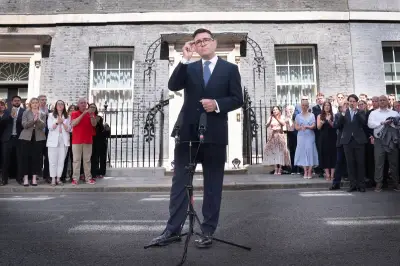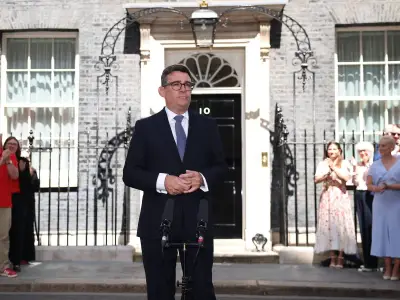
Readers respond to recent articles on Prime Minister Andy Burnham, offering advice on how to turn Labour's fortunes and the country's around.
Unity and discipline within Labour
Dr Roger Booker from Clapham, London, writes that Rafael Behr's analysis of Burnham's strengths is accurate but omits the role of the parliamentary Labour party. He says Labour MPs, especially those on the radical left and aggrieved Starmer loyalists, must realise Labour is in the last-chance saloon. He criticises social media posts by Darren Jones on VAT on electricity bills as fodder for Tories and Reform UK, urging all MPs to debate differences while committing to the government's success.
Tax the wealthy
Steve Penny from Abergavenny, Monmouthshire, suggests raising the top rate of income tax from 45%, noting historical rates: 99.25% during WWII, 90% under Wilson, and 83% when Thatcher became PM. He argues that lower rates have not improved compliance or boosted enterprise but have created a more divided society. He says tinkering with electricity bills and bus fares won't suffice.

Jane Sutherland from Dry Drayton, Cambridgeshire, calls for a swingeing income tax on earnings and bonuses over £1m per annum, citing headlines about Wessex Water's pay rise and the widening pay gap.
Social care reform
Les Bright from Exeter notes that Burnham's father not understanding his son is PM brings social care closer to reform. He recalls that community care was described as 'everybody's distant relative, but nobody's baby' and hopes Burnham's elevation will bring cross-party attention to the issue.
Honest communication on climate
Prof Mike Berners-Lee, Chair of the National Emergency Briefing, responds to Tom Clark's article on transformative governments enabled by emergencies. He argues that the climate and nature crisis is already an emergency, with extreme heat, flooding, and crop losses. He says Burnham's first task should be to treat the public as adults, explaining the crisis honestly and building a mandate for bold action.
Looking back to the 1970s
John Garnham from Ampthill, Bedfordshire, counters claims that Burnham's premiership would return to the 1970s, listing positive aspects of that era: no food banks, little homelessness, council houses, rent controls, British manufacturing, funded defence, and public control of water, energy, and transport.