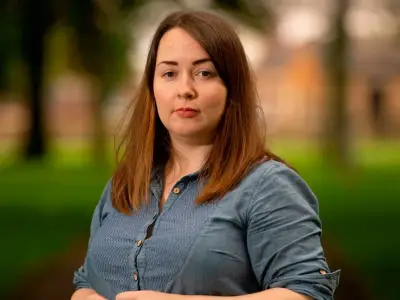
The New York Times has repeatedly used the word “divisive” to describe elections with progressive contenders, implying a previous whole destroyed by the left, according to historian Dana Frank. In a commentary published by the Guardian, Frank argues the newspaper's language is part of a conscious campaign to undermine democratic socialists and other progressive candidates.
Pattern of Usage in Primary Coverage
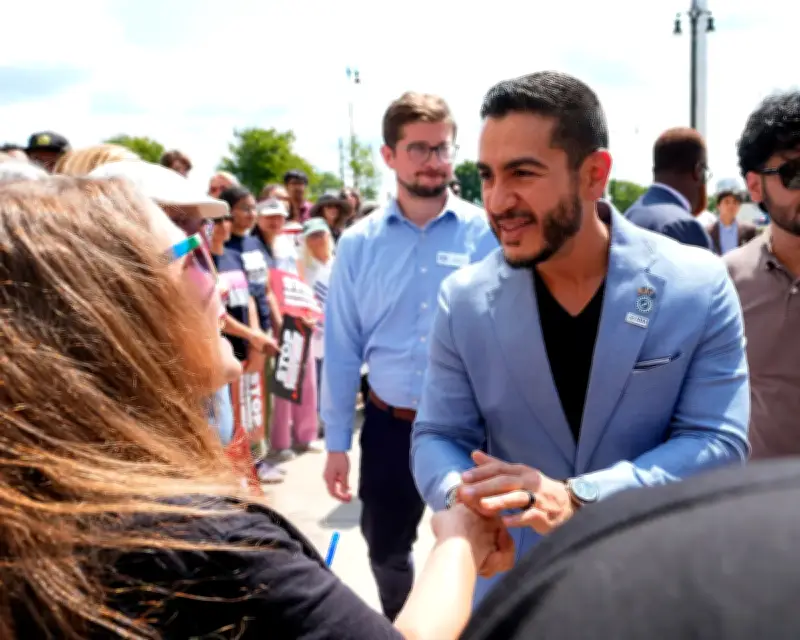
Frank cites several examples from the Times's coverage. On 5 August, the paper announced “El-Sayed and Stevens Project Party Unity After Divisive Race,” the day democratic socialist Abdul El-Sayed beat centrist rival Haley Stevens in the Michigan senatorial primary. Four days later, the Times again used the word under “Obama and El-Sayed Discuss Unity After Ugly Michigan Primary,” asserting El-Sayed had “narrowly prevailed in a divisive primary after campaigning on a progressive and anti-establishment platform.”
On 12 August, the Times reported that David Crowley, who beat democratic socialist Francesca Hong in the Wisconsin gubernatorial primary, “promised to leave behind the divisive Democratic primary and focus on Mr. Tiffany,” his Republican opponent. In another story that day, the paper cited Middlebury College professor Erik Bleich, who “pointed to the calls to defund the police as a divisive goal.”

‘Polarizing’ and the Zinn Review
Frank notes the Times also applies “polarizing,” a close cousin to “divisive,” regularly, especially to New York mayor Zohran Mamdani. A reporter insisted in October 2025: “As Mamdani’s campaign upends New York politics, no single stance has polarized New Yorkers as passionately as his pro-Palestinian activism and caustic criticism of Israel.”
Perhaps most outrageous, Frank writes, was the Times's headline for a review of David Zirin's new book about Howard Zinn: “America’s Most Divisive Historian Gets a New Biography.” She questions how Zinn was “divisive,” noting that neither Adam Hochschild in his review, nor Zirin in his biography, nor any discussion she has seen in 40 years as a practicing US historian talks about Zinn that way.
Implications for Democratic Politics
Frank argues the Times's repeated charge of “divisive” implies a previous and virtuous whole being destroyed by the left. It assumes voters agree that in the face of deep fear of Trump and his allies, progressives must stick together, and that progressive candidates can’t beat Republicans in the midterms. But the Times's mythical unified country never existed, she says, as the US has always been riven by race, class, gender, religion, immigration status and more.
For the Times, “unity” is a stand-in for the powers-that-be in the Democratic party and “their preferred strategy of running moderate campaigns that won’t offend aging incumbents, never-Trump Republicans, and the multimillionaire-and-up donor class,” as the editors of Hammer & Hope Magazine recently put it. Frank notes the Times does occasionally use “divisive” for far-right Republicans, such as Florida governor Ron DeSantis, but that colors its usage against the left, implicitly behaving fanatically and dangerously too.
Frank points out that the Times has not deemed “moderate” Democrats like James Carville, who called democratic socialists “a pack of fools” on Fox News, or Abigail Spanberger, who vetoed a bill granting collective bargaining rights to public workers, as divisive. In Michigan, she argues, it’s Islamophobia that’s in fact “divisive,” not the Muslim candidate Abdul El-Sayed, who, along with many others the Times calls divisive, is not coincidentally a person of color.
By charging progressives with divisiveness, Frank concludes, the New York Times is doing everything it can to shore up a fantasized unity in which corporate powers, Wall Street, and billionaires control the Democratic party, and the rest of us fall into line to vote however they like. But it’s the Times that’s trying to divide us, as we form ever broader, ever more dynamic and ever more effective coalitions to challenge the masters it serves. Dana Frank is professor of history emerita at the University of California, Santa Cruz.