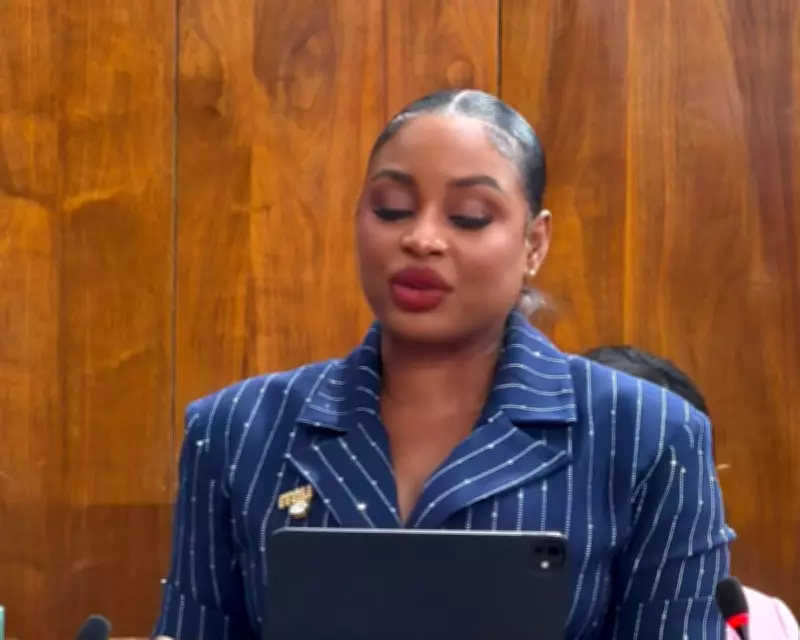
Nekeisha Burchell, an opposition MP in Jamaica, ignited a heated debate after she attempted to deliver part of her maiden speech in Jamaican patois, only to be stopped by the speaker citing parliamentary rules that mandate English only. Burchell, the spokesperson for culture, creative industries and information, began her address on 12 May with the words: "Madam speaka, mi git up dis afta noon fi mek mi fuss sectoral speech, pan me portfolio …" Speaker Juliet Holness immediately interrupted, warning that further violations would result in lost speaking time. The incident prompted protests in the chamber, with one member deriding the language as "broken English."
Postcolonial tensions laid bare
Burchell later told the Guardian that the moment exposed "unresolved tensions around language, legitimacy and postcolonial identity." She insisted her intervention was not intended as disrespectful or anti-British, but rather as a statement about Jamaica's cultural confidence. "Jamaica's language has become one of the most globally recognisable cultural expressions to come out of the Caribbean," she said, citing reggae, dancehall, and athletics as examples. The debate has reignited discussions about whether colonial-era symbols—such as ceremonial robes, prayers for the British monarch, and the exclusive use of standard English—remain appropriate for Jamaica more than six decades after independence.
Academic support and public division
Prof Carolyn Cooper, a literary scholar, praised Burchell's move, describing Jamaican as a full-fledged language rather than a dialect or "broken English." Dr Joseph Farquharson of the Jamaican Language Unit affirmed that Jamaican possesses all the features of a language, emerging from the interaction of Europeans and West Africans during plantation slavery. On the streets of Kingston, opinions were split. Attorney Juliette Blake argued that rules should govern, while event manager Danea Dunkley noted that Wales and New Zealand allow indigenous languages in their parliaments, raising the question: "whose language is legitimate and what spaces can they be used in?"

Legislative path forward
Marlon Morgan, parliamentary secretary in the education ministry, stressed that the issue is not about a lack of appreciation for Jamaican, but that any permanent change should follow a "thoughtful and consultative approach." He suggested Burchell could have sought permission to suspend the English-only rule. Sonjah Stanley Niaah, director of UWI's Centre for Reparation Research, called the rule a "direct legacy of enslavement," questioning its consistency with Jamaica's reparation agenda. The JLU noted that a 2005 survey found most Jamaicans recognise patois as a language and support its official status alongside English.