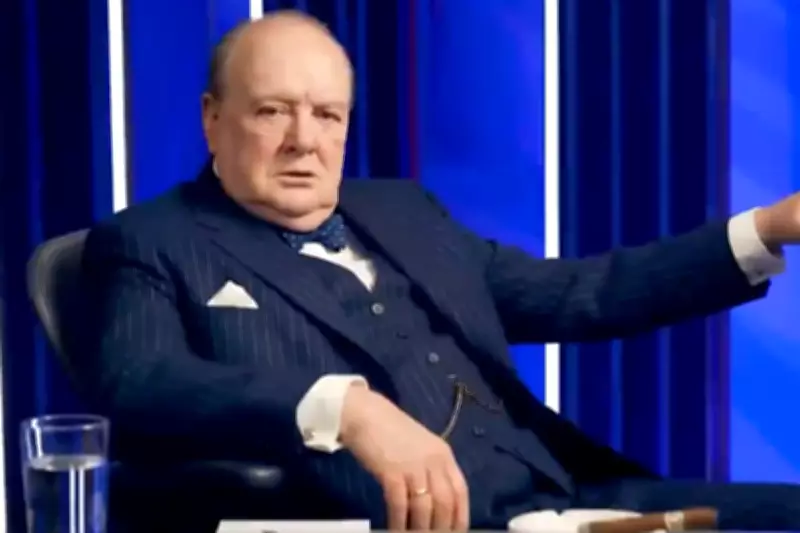
The latest episode of BBC's long-running political debate show Question Time featured AI-generated guests from history, drawing widespread ridicule. However, John Rentoul argues that a few innovations might revive the flagging format.
AI-Generated Panel: A Gimmick That Worked?
The best moment came when Mohandas Gandhi brought up Winston Churchill's 1931 remark calling him "a seditious Middle Temple lawyer, now posing as a fakir." It looked as if they were going to come to blows. Then Emmeline Pankhurst and Frida Kahlo were asked about "the bankers, the bonuses… it's disgusting." Pankhurst defended bankers, reminding the audience she had been a Conservative, while Kahlo said there would be no more bankers or Tories when workers took over production. The AI-generated audience went wild—except the holograms did not speak. They smiled, nodded, and raised eyebrows as presenter Fiona Bruce introduced them. Then the programme cut to the real studio with real guests, continuing the usual tired format.
What was a must-watch topical panel show in 1979 is now, 47 years later, facing dwindling audiences and often unrecognisable guests. The AI gimmick highlighted a key issue: there were only four virtual guests, but five in the real studio—too many. Lesson one: fewer guests. The same problem afflicts Laura Kuenssberg's weekend politics show, which sometimes has four interviews and three panellists, leaving them lucky to get 30 seconds each.

Lessons from the AI Experiment
Question Time did not need Mo Gawdat, the tech executive with simplistic opinions, who claimed AI would cause mass unemployment because "capitalists" would shed jobs. That point could have been made from the audience and answered by an AI hologram of David Schloss, the economist who identified the "Lump of Labour" fallacy in 1891. He could explain that new technology replaces some jobs and creates others—a pattern seen since the Industrial Revolution.
In fact, the show had Victor Riparbelli, another tech boss, who said: "We have gone through this progression many times before." The programme managed an interesting discussion about whether AI is different from previous innovations. Lesson two: the gimmick worked. The AI-generated Pankhurst and Gandhi added nothing substantive, but they drew viewers like me, who found the debate thoughtful rather than a superficial shouting match.
Reviving the Format
I came for the Abba Voyage holograms and stayed for the thoughtful debate, with audience members chosen for their experience rather than partisanship. The two politicians—Darren Jones (Labour) and Julia Lopez (Conservative)—engaged in some point-scoring but mostly made constructive points. It might be fun to script a debate between Churchill and Pankhurst on women's rights, or Kahlo and Gandhi on imperialism. AI can do voices and even insert Nigel Farage for balance. But the smiles and nods of the AI "guests" pointed towards revival. After all, Newsnight made a comeback with sharper editing and fewer guests. Perhaps Question Time can too.